
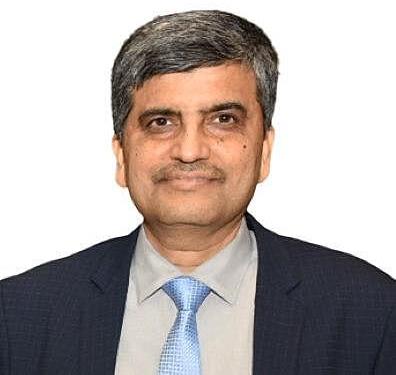
Ajay Seth, chairman, IRDAI
Seth highlighted that in non-life Insurance sector, persistent rise in complaints signals systemic service issues.Health and motor claims are key drivers, highlighting growing policyholder friction and the need for targeted corrective action.
On life insurance industry, he pointed out that rising surrenders in life insurance sector pose risks to asset-liability management (ALM), as premature exits can force early asset liquidation,reduce long-term investible funds, and signal policyholder dissatisfaction or competitive pressures from other financial products
Hyderabad:In a move aimed at plugging loopholes in the Indian insurance industry, the Insurance Regulatory and Development Authority of India has decided to intensify its scrutiny of the sector’s performance through more granular monitoring and oversight.
Ajay Seth, chairman,IRDAI, while addressing the 133rd board meeting of the IRDAI, expressed concern over certain unhealthy developments in the industry and indicated that there was a need to periodically review the sector’s performance to enable timely policy and regulatory interventions, wherever necessary.
Accordingly, he suggested that a review of performance of industry/specific segments/specific parameters requiring the attention of the insurance regulator will be be presented in the next IRDAI’s board meeting.
“The sharp rise in commissions highlights a structurally high-cost industry, with growth still reliant on expensive intermediary-driven distribution rather than any cost-saving digital transformation. High front-loaded acquisition costs erode policyholder value in long-term products, leaving low asset build-up in early years and minimal surrender value on early exit.This cost structure undermines trust and persistency, as early exits effectively wipe out the policyholder’s principal while weakening the sector’s overall value proposition,” he said.
He also highlighted that in non-life Insurance sector, persistent rise in complaints signals systemic service issues. Health and motor claims are key drivers, highlighting growing policyholder friction and the need for targeted corrective action.
“Non-life insurers continue to face weak core profitability, with persistent underwriting losses across segments, most pronounced among PSUs. Investment income remains the key stabilizer, offsetting underwriting losses,but creates vulnerability to market and interest-rate cycles,” he cautioned
On life insurance industry, he pointed out that rising surrenders in life insurance sector pose risks to asset-liability management (ALM), as premature exits can force early asset liquidation,reduce long-term investible funds, and signal policyholder dissatisfaction or competitive pressures from other financial products
He also emphasised the need for creating sufficient reinsurance capacity in Indian insurance market.
“Significant increase in reinsurance ceded by General and Health Insurers reflects growing risk transfer needs. The rising dependence on cross-border reinsurance indicates capacity constraints in the domestic market and increases exposure to global pricing cycles. Growing outward premium flows also imply foreign exchange outgo, highlighting the need to strengthen domestic reinsurance capacity, including through IFSC Insurance Offices (IIOs), to retain premiums and enhance sector resilience,” he suggested.
According to Seth,another major initiative having a bearing on the sector is enactment of the Sabka Bima Sabki Raksha (Amendments to Insurance Laws), Act, 2025 to introduce forward looking reforms that aim at deepening insurance coverage, provide ease of doing business and improve regulatory oversight and governance, capital augmentation, adoption of advanced technology and global best practices in insurance sector.
“We have to work towards achieving the intent of the Parliament for the insurance ecosystem which is clearly depicted in the new Act,” he stressed.
The Act intends to further accelerate the growth and development of the insurance sector, to ensure better protection of policyholders,to improve ease of doing business for insurance companies, intermediaries and other stakeholders and bring transparency in regulation making and to improve regulatory oversight over the sector, he explained.
The foreign direct investment(FDI) inflow into the Indian insurance companies till September 2025 was Rs 84,307 crore of which FDI inflow till December 2025 is about Rs545 crore.
The Paid-up Capital of the Indian insurers till September 2025 was around ₹0.85 lakh crore as compared to ₹0.83 lakh crore as on 31st March 2025.