

Health insurance sector itself is facing headwinds with 12-15% medical inflation, opaque pricing structure, and strained insurer–hospital relations. Insurers are under stress with combined ratios above 110% and low single-digit RoEs. Cutting GST on health insurance to 0% is a structural, not a symbolic reform. Real affordability hinges on taming medical inflation, growing 5-6x times faster than consumer inflation
Pranay Mehrotra,APAC Leader, Insurance Practice, BCG, Vipin V,Managing Director & Partner, BCG, Kevin Sanghvi, Principal, BCG
When India committed to Universal Health Coverage by 2030, it set out an ambitious goal: ensuring that every citizen can access quality healthcare without financial hardship. Yet, the landscape remains fragmented.
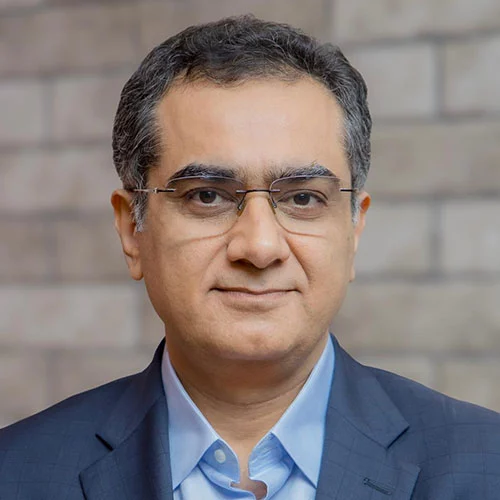
Pranay Mehrotra,APAC Leader – Insurance Practice, BCG
The bottom 40% are covered under PM-Jan Arogya Yojana, and the top 10-15% by employers or private insurance. The vast middle class, nearly 60–70 crore people, remains vulnerable to medical shocks. Out-of-pocket medical expenditure still accounts for 40%+ of total health spending,pushing millions into poverty each year.
Meanwhile, health insurance sector itself is facing headwinds with 12-15% medical inflation, opaque pricing structure, and strained insurer–hospital relations. Insurers are under stress with combined ratios above 110% and low single-digit RoEs.

Vipin V,Managing Director & Partner, BCG
Achieving “Health Insurance for All” will require rebuilding on six pillars:
Affordability: Tackling the cost spiral
Cutting GST on health insurance to 0% is a structural, not a symbolic reform. However, real affordability hinges on taming medical inflation, growing 5-6x times faster than consumer inflation.

Kevin Sanghvi, Principal, BCG
Asian countries have defined standardized protocols and associated costs. Korea’s Health Insurance Review and Assessment Service standardizes costs across providers, while Japan revises tariffs for thousands of procedures every two years to maintain transparency, cost discipline, and system-wide efficiency.
While there are discussions to create an independent healthcare regulator in India, its success will depend on coordination with agencies such as NHA and state authorities. An empowered regulator that can keep costs fair while allowing market forces to function, can restore balance and ensure affordability across the health ecosystem.
Simplicity and Transparency: Making insurance understandable
The next frontier is “complexity”, perhaps industry’s biggest self-inflicted wound. Exclusions, sub-limits,and jargons make most policies difficult for an average customer. Few new-age digital insurers have shown what clarity can look like: simple covers, plain-language policies, transparent pricing. But these remain exceptions. True simplicity will require fundamental re-imagination of how products are built, communicated and serviced. Simplicity and transparency can build trust, cut disputes, and keep customers engaged and renewing.
Awareness: Creating pull, not push
Insurance remains a “push” product, usually revisited only at renewal. Embedding wellness by bundling teleconsultations, annual check-ups, and fitness rewards, as global players like Vitality and Discovery have done, can transform insurance into a proactive health-management tool that builds lasting engagement.
A nationwide campaign “Healthy & Insured India Sahi Hai” with a public icon, like the Mutual Funds campaign, could also reposition insurance from obligation to a smart life-choice.
Trust: The currency of insurance
Trust, once broken, is hard to rebuild.Retail claim rejections hover around 11%. Disputes over cashless approvals, opaque exclusions, and delayed reimbursements have eroded public confidence. Rebuilding trust needs both empathy and infrastructure.
The Ayushman Bharat Digital Mission (ABDM) can be transformative. By giving every Indian a portable digital health ID and interoperable records, it can give insurers and hospitals a common source of truth.
When paired with the National Health Claim Exchange (NHCX), this creates cleaner documentation,faster verification and fewer avoidable disputes.
But digital plumbing alone will not restore trust. What will matter is using these rails to enforce consistent standards, transparent agreements and credible oversight. If executed well, they can stitch today’s fragmented networks into a more predictable, accountable and trustworthy health ecosystem.
Universal Basic Cover: Making insurance universal
India could benefit from a Universal Basic Cover, a tariffed, no-frills product combining life, health, and accident protection. The logic is compelling: Customers: no medical underwriting, fixed premium, and digital portability.
Insurers: predictable risk pools, lower fraud via parameterized claims, and multi-year renewals.
System: protection for 35–60 crore people
Public–private model could finance this. Government-backed reinsurance for low-income groups, and market-based pricing for others. China’s experience shows the potential: it expanded health coverage from 24% to 87% of its population in just five years (2003–08) through similar reforms.
Viability and Data: Making insurance sustainable
Many insurers are struggling with profitability. Cost discipline and sharper underwriting are necessary, but not sufficient.A data-driven approach is essential. AI-enabled fraud detection, predictive renewal analytics, tracking Customer Lifetime Value can lift profitability by 5–7%.
The larger opportunity, however, lies in shared data-infrastructure: “Health Bureau.” A regulator-standardized claims registry could help benchmark costs, outcomes, and detect outliers across the system.
The Way Forward
India’s health insurance system stands at an inflection point. The government has the intent, digital rails exist, and private capital is ready to invest. The next two years will be critical. India needs to translate regulatory intent into real execution by scaling digital infrastructure such as ABDM and NHCX and adopting standardized protocols. Insurers must complement this by simplifying products and processes.
These steps can move India from a fragmented coverage to a more inclusive protection system.
As Mahatma Gandhi reminded us, “A nation’s greatness is measured by how it treats its weakest members.”
True progress will be when every Indian, regardless of income, can access care without
financial fear.