
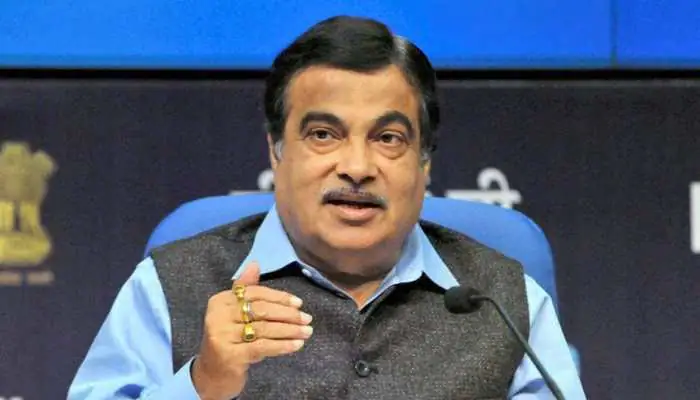
“Presently, 57 lakh EVs are registered in India. EV sales rates were faster in 2024-25. EV car sales increased by 20.8 per cent, while petrol and diesel sales increased by 4.2 per cent. Two-wheeler EVs increased by 33 per cent, and petrol and diesel by 14 per cent.”Union Road Transport and Highways Minister Nitin Gadkari
Union Road Transport and Highways Minister Nitin Gadkari, on Thursday, said that the electric vehicle (EV) market will grow to a total value of Rs 20 lakh crore by 2030, creating five crore new jobs.
Replying to a question by BJP MP PC Mody on the growth of the EV sector, Nitish Gadkari told the Lower House that 57 lakh EVs are registered in India, and sales are faster in 2024-25.
He said, “Presently, 57 lakh EVs are registered in India. EV sales rates were faster in 2024-25. EV car sales increased by 20.8 per cent, while petrol and diesel sales increased by 4.2 per cent. Two-wheeler EVs increased by 33 per cent, and petrol and diesel by 14 per cent.
Three-wheeler EVs increased by 18 per cent, and petrol and diesel by 6 per cent. India’s EV market has the potential to reach Rs 20 lakh crore by 2030, with annual vehicle sales of Rs 1 crore, creating five crore new jobs. 400 plus start-ups have begun inthe electric two-wheeler market, increased by 21 per cent from 2024.”
Gadkari added that the price of lithium-ion batteries has gone down to $55 per KiloWatt-hour, and 6 million tonnes of lithium reserves in Jammu and Kashmir will prove to be beneficial for the country.
“Lithium is very important. When we made the decision for EVs, the cost of a lithium-ion battery was $150 per KiloWatt-hour, but now it has come down to $55 per KiloWatt-hour. This is really a good indication. Good news for our country is that Jammu and Kashmir has 6 million tonnes of lithium reserves, which is six per cent of the world’s total. The mining ministry is working on that. We are also conducting research on lithium ion, sodium ion, aluminium ion, and zinc ion,” he said.
The Union Minister added, “Futuristic fuel is hydrogen. Today we are importers of energy, but I’m confident under the leadership of Prime Minister Narendra Modi, under Atmanirbhar Bharat, we will be exporters… The priority of the government is biofuel and alternative fuel, because our fossil fuel imports cost 22 lakh crore. It creates a lot of pollution. I myself am facing a problem in Delhi.”