
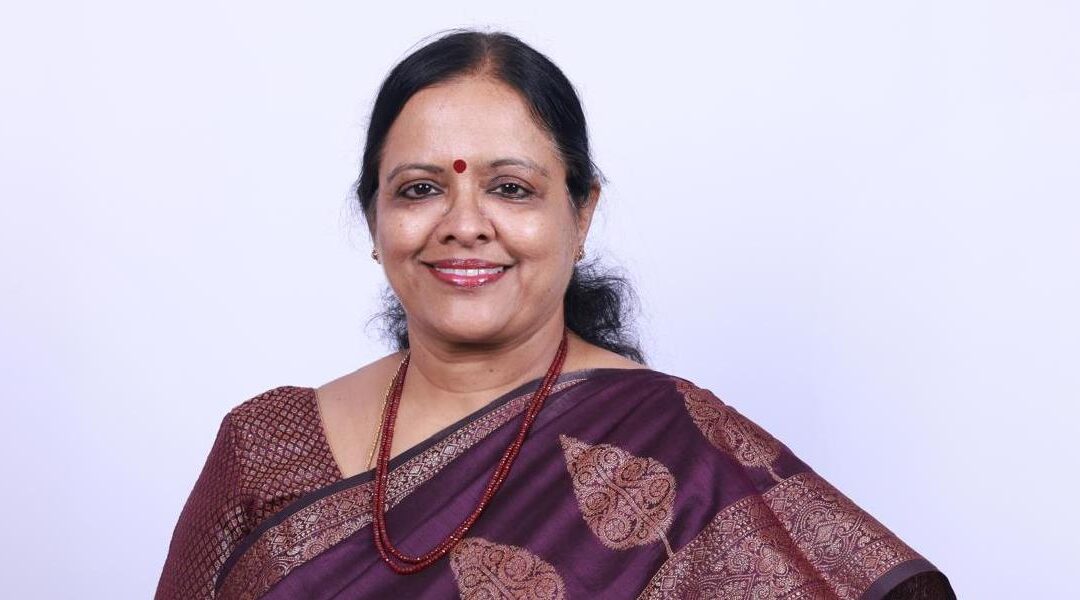
“The Motor Third Party line of business continued to be under pressure as there was no premium increase while claims inflation continued. The significant spike in the Motor TP loss ratio had a severe adverse impact on the results. The industry is looking forward to a hike in Motor Third Party premium.”Girija Subramanian, CMD,New India Assurance
Mumbai: After ICICI Lombard General Insurance, state-owned New India Assurance (NIA) has reported a sharp deterioration in earnings, with rising Motor Third Party (TP) claims weighing heavily on its first-quarter performance.
NIA posted a standalone net loss of ₹257 crore for the quarter ended June 30, 2026, compared with a net profit of ₹391 crore in the corresponding quarter last year.
Earler, ICICI Lombard General Insurance, the country’s second largest general insurance company, reported a 46 per cent drop in Q1 FY2027 net profit to ₹403 crore. This decline was driven by a ₹165 crore reserve increase for its Motor Third-Party (TP) portfolio due to a Supreme Court judgment and two large fire losses of ₹63 crore, which worsened the insurer’s combined ratio to 107.2%.
Despite the weak profitability, NIA’s gross written premium (GWP) rose 2.9% year-on-year to ₹13,720 crore during the quarter.
Commenting on the results, Girija Subramanian, Chairman and Managing Director, said the June quarter was challenging for the Indian general insurance industry.
She said the Motor Third Party portfolio continued to face significant pressure.
“The Motor Third Party line of business continued to be under pressure as there was no premium increase while claims inflation continued. The significant spike in the Motor TP loss ratio had a severe adverse impact on the results. The industry is looking forward to a hike in Motor Third Party premium,” said Subramanian.
According to Subramanian Q1 FY27 was a challenging quarter for the Indian general insurance industry.
“The industry property premium declined by 27.8% during the quarter and, since Q1 is a property-heavy quarter for NIA, our overall gross written premium growth was muted at 2.9%,” she informed.
Despite the quarterly loss, NIA maintained a healthy solvency ratio of 1.80 times, while its investment assets, measured at market value, stood at ₹99,980 crore.
Looking ahead, the insurer plans to further diversify its portfolio.
“Going forward, we will continue our efforts to change the business mix in favour of retail and MSME segments, with a focus on newer product lines where competitive intensity is lower,” Subramanian added.
Keeping in view of Incurred loss raio in Motot TP claims, even increase in TP premium by 100% may not show an expected loss ratio. Outstanding claims ratio in Motor Tp claims shall have to be scientific. Internal analysis of Motor TP claims have to be studied and appropriate provisions are to be made. It does not mean that low provisions. Outstanding provisions are not reviewed on the basis of changes in the case proceedings. Mismanagement of Motor TP claims to be arrested.
There should be limited liability of company under third party policy. It will also decrease the number of accidents.
Meximum accidents are due to negligence. Motor car and two Wheeler third party Premium is very low but the liability of the company is unlimited.We see daily meximum two Wheeler accidents with many casualties resulting financial loss to the insurance companies due to high awards of the courts.