
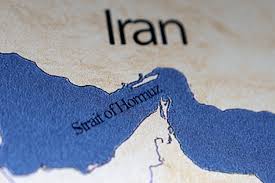
The United States is close to reaching a deal with Iran that would end the war, reopen the Strait of Hormuz and see Iran give up its stockpile of highly enriched uranium, regional officials told The Associated Press on Sunday, though U.S. President Donald Trump said he told representatives “not to rush into a deal.”
The U.S. and Iran are discussing a plan to open the Strait of Hormuz about 30 days after the two countries reach a deal to end hostilities, the Nikkei newspaper reported on Monday citing a Middle East diplomatic source.
Iran would proceed to clear mines from the strait during a 30-day window following an agreement, after which ships from all countries would be able to navigate freely and safely, and Iran would stop collecting transit fees, Nikkei said.
The ceasefire agreed in early April would be extended for 60 days, with the plan to hold talks on Iran’s nuclear program during the two-month pause, the report added.
The United States is close to reaching a deal with Iran that would end the war, reopen the Strait of Hormuz and see Iran give up its stockpile of highly enriched uranium, regional officials told The Associated Press on Sunday, though U.S. President Donald Trump said he told representatives “not to rush into a deal.”
Trump said negotiations were “proceeding in an orderly and constructive manner,” and the relationship with Iran was becoming “much more professional and productive.”
He pushed back against criticism by some fellow Republicans seeking a tougher approach.
The agreement would not be signed Sunday, according to a person familiar with the status of negotiations who spoke on condition of anonymity because they were not authorized to comment publicly. The sides have previously seemed close to a deal in recent weeks, only to falter.
The strait’s reopening would ease a worldwide energy crisis sparked by the U.S. and Israeli bombardment of Iran on Feb. 28, which led Tehran to effectively close the waterway. Prices have spiked for oil, gas and related products. Experts say it would take several weeks or even months for shipping and prices to recover once the strait reopens.
The U.S. has blockaded Iranian ports for over a month, and Trump said it “will remain in full force and effect until an agreement is reached, certified, and signed.”
The emerging deal would include Iran giving up uranium
Under the potential deal, Tehran would agree to give up its stockpile of highly enriched uranium, according to the two regional officials, who spoke on condition of anonymity to discuss the sensitive negotiations.
One official, with direct knowledge of the negotiations, said how Iran would give up the uranium would be subject to further talks during a 60-day period. Some would likely be diluted, while the rest would be transferred to a third country, the official said. Russia has offered to take it.
A U.S. official confirmed the 60-day period and said if Iran doesn’t give up its stockpile there will be no sanctions relief. The official spoke on condition of anonymity about the emerging deal because it has not been made public.
Iran has 440.9 kilograms (972 pounds) of uranium that is enriched up to 60% purity, a short, technical step from weapons-grade levels of 90%, according to the International Atomic Energy Agency.
Iran has not publicly committed to giving up its uranium, a key Trump demand. President Masoud Pezeshkian told state TV they were ready “to assure the world that we are not after a nuclear weapon.”
Iran has always insisted its program is peaceful while enriching uranium to near weapons-grade levels, and asserts its right to nuclear technology.
Secretary of State Marco Rubio, on a visit to India, said that “significant progress, although not final progress, has been made” in negotiations, and the world would no longer need to fear Iran getting a nuclear weapon.
Rubio told India Today that the “first stage” ahead would be the full reopening of the strait. “The second is that Iran needs to enter into serious negotiations on three topics: their pledge never to have nuclear weapons, restrictions long-term on their enrichment capabilities, and what do you do with the highly enriched uranium?”