
The event – which CyberCube nicknames “M364” – is expected to have a loss ratio impact for cyber insurers of 0% to 2% of global cyber premium, in line with the Level 2 (moderate) tier assessment CyberCube issued to clients on 13 November.CyberCube sees most outcomes clustering toward the lower end of the range, with the high estimate allowing headroom for information that could still emerge.
London: CyberCube, a cyber risk analytics provider, estimates in a preliminary analysis that global cyber insured losses from the 12-14 November Microsoft 365 outage will most likely be less than $100M, with a conservative upper bound estimated at $350M.
The event – which CyberCube nicknames “M364” – is expected to have a loss ratio impact for cyber insurers of 0% to 2% of global cyber premium, in line with the Level 2 (moderate) tier assessment CyberCube issued to clients on 13 November.
CyberCube sees most outcomes clustering toward the lower end of the range, with the high estimate allowing headroom for information that could still emerge.
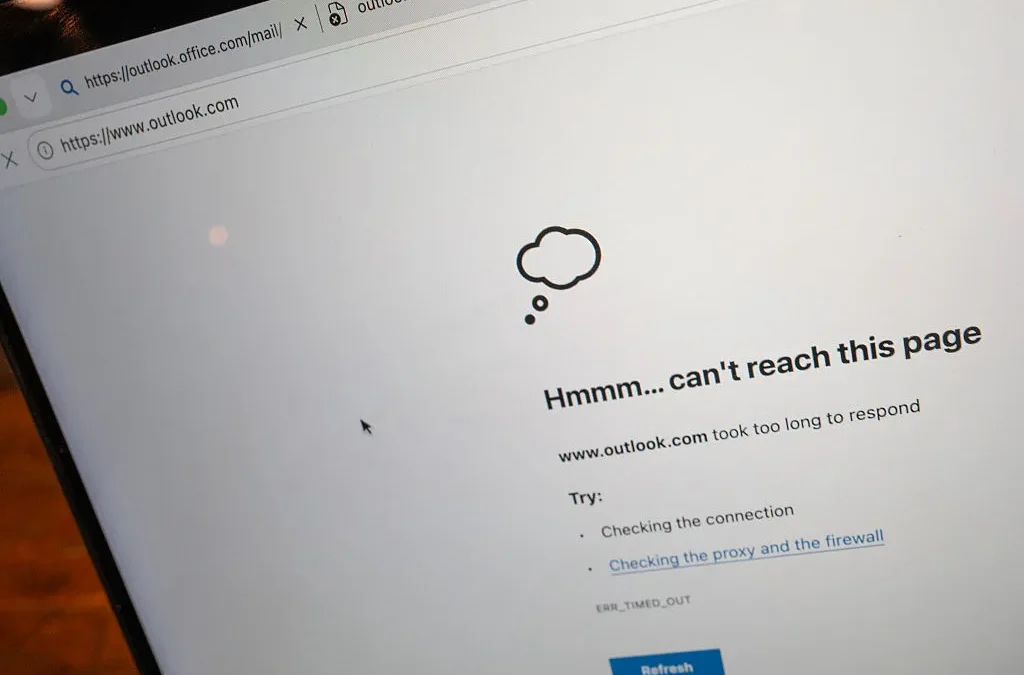
The outage began on 12 November when a failure in Microsoft Exchange Online, the email platform behind Outlook, cut off users in more than 70 countries. Features in Teams, SharePoint, Copilot and Microsoft’s security tooling that depend on Exchange Online were degraded, although their core functions largely continued working.
Microsoft attributes the outage to a technical issue introduced during a network capacity upgrade, not cyber activity. Severe disruption lasted about 18 hours, and the event ran roughly 38 hours in total, well beyond the eight to 12 hour waiting periods common in contingent system failure cover.
Despite the duration, CyberCube expects several factors will suppress insured losses. Cover only responds where policies extend business interruption to non-malicious system failure at an outside provider. Impacts reported from the event all focus on the inconvenience and productivity loss, with workarounds widely available and little to no mention of lost revenue.
Simply put, email is not in the critical transaction path of most businesses.
Jon Laux, CyberCube’s VP of Products and Analytics,said, “This event once again reminds us how the technology world is concentrated in the hands of a few key providers. But it also reminds us that not all layers of the technology stack are equally critical to business operations.
Factors that informed our loss estimates include the relatively short duration of this event, the absence of any reported data corruption or leakage, and the ease with which companies fell back on alternative communication channels to email. We will continue to monitor the situation and reassess if material new information emerges.”
CyberCube activated its Cyber Aggregation Event Response Service (CAERS) on 12 November and issued a Security Incident Report (SIR) to clients on 13 November.
The loss estimate is based on CyberCube’s catastrophe model and global industry exposure database. Clients can identify exposed insureds through the Event Response dashboard in SPoF Intelligence and estimate losses for their own portfolios in Portfolio