

The retirement conversation in India should therefore evolve from “How much is enough at retirement?” to “How early can households build resilience for a longer life?” Early retirement planning is becoming a practical foundation for independence, dignity, and confidence in later years.
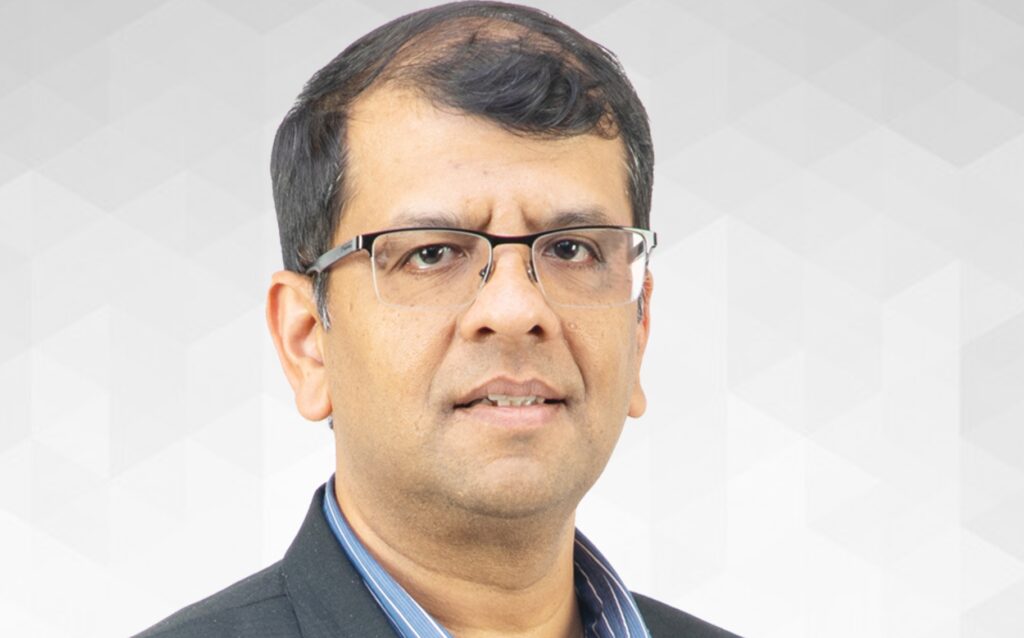
Sameer Bansal, MD & CEO, PNB MetLife
Why does retirement planning need to start earlier in India?
Rising life expectancy is reshaping India’s demographic profile. By 2050, the elderly population is projected to be over 20% of the country’s total population, creating massive shifts in the demand for healthcare, housing, and social security.
For long-term financial independence in the coming decades, early retirement planning is no longer optional.
The retirement conversation in India should therefore evolve from “How much is enough at retirement?” to “How early can households build resilience for a longer life?” Early retirement planning is becoming a practical foundation for independence, dignity, and confidence in later years.
How are family structures changing retirement security?
Traditionally, retirement planning in India relied heavily on family support systems or employer-backed pensions.
As family structures are evolving, many young Indians are now pursuing education across cities and continents. At the same time, estimates show around 73% of India’s non- agricultural workforce is employed in the informal sector, where they have limited access to structured retirement solutions. These shifts make it important for individuals to take greater ownership of their life journey.
Early retirement planning can help with lasting stability, strengthen security, and create greater self-assurance about the future. Appropriate financial protection tools, including life insurance can support disciplined long-term planning, while helping families prepare for future financial needs.
Can starting early strengthen retirement readiness?
An extended planning horizon can make retirement preparation feel more manageable, because contributions can be spread over many years instead of being compressed into the final phase of working life.
Retirement planning models in India suggest that starting at age 25 instead of 35 can significantly reduce the monthly investment required to achieve the same retirement corpus. The broader point is simple: time can be one of the most powerful tools in retirement planning.
Compounding Savings: Beginning earlier may allow individuals more time to accumulate retirement savings through consistent long-term planning. For instance, based on current approximate annuity rates of 5%–7%, a ₹1 crore retirement corpus may generate around ₹41,000–₹58,000 in monthly pension*.
What role do inflation and healthcare costs play?
Inflation is one of the most important risks in retirement planning because it steadily reduces purchasing power over time. Retail inflation has averaged around 5%–6% in recent years, which means that future expenses can be significantly higher than today’s costs.
Healthcare costs add another dimension, where medical inflation has been increasing at 12%-14% annually, nearly three times higher than general inflation. For retirement planning, this means individuals should not only estimate forthcoming income needs, but also plan for rising essential expenses, especially healthcare.
Does starting early provide greater flexibility as life priorities evolve?
Early planning gives individuals more flexibility to shape their financial well-being. With a longer investment horizon, individuals can review contributions as income grows, adjust plans as priorities change, and balance savings and future requirements across different life stages.
Retirement-planning tools can help individuals review financial priorities, balance protection needs, and adapt plans as circumstances change.This flexibility matters because retirement is not a single financial event. It is an evolving life stage that may include travel, hobbies, family responsibilities, a second career, or even entrepreneurship. Planning earlier can help people protect independence and quality of life, while reducing the risk of relying on children or extended family for day-to-day needs.
What should India do differently about retirement planning?
India is entering a period where longer lifespans, changing family structures, rising healthcare costs and evolving employment patterns are redefining retirement. In this environment, retirement preparedness can no longer begin a few years before the end of one’s career. It needs to become a lifelong financial habit.
For India’s working population, the most important retirement decision may not be how much to save eventually, but how early to begin. The choices people make today will play a significant role in shaping their financial independence, confidence and quality of life in the decades ahead.
Transparency, regular reviews, and suitability-based guidance are essential because retirement needs vary by income, family responsibilities, health costs, and time horizon.