
GIC Re’s Combined ratio improved marginally to 103.43 per cent in Q4FY26 from 103.56 per cent a year earlier
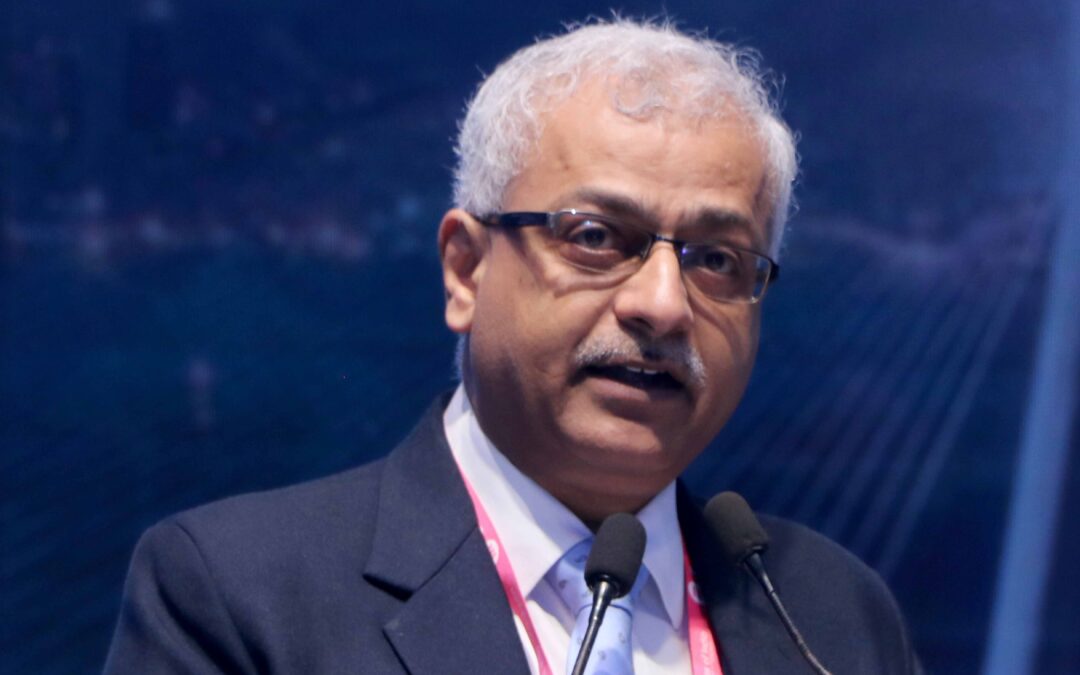
“On the back of disciplined underwriting, consistent execution, and our strategic approach, we hope and believe that we will continue to improve and perform to the satisfaction of our stakeholders.Our guidance is to achieve about a percentage improvement in combined ratio in each of the years,” Hitesh Joshi, acting CMD, GIC Re
Mumbai:GIC Re reported a 3 per cent rise in net profit to Rs 2,254 crore for the fourth quarter of FY26, supported by a postive underwriting performance and a better combined ratio despite intense competition and a global soft pricing cycle.
The state-owned reinsurer’s board, which met on Tuesday to approve the results, recommended a final dividend of Rs 13.25 per equity share of face value Rs 5 each for FY26, higher than the Rs 10 per share final dividend declared in FY25.
GIC Re, the world’s ninth-largest reinsurer and Asia’s third-largest, at Rs 11,300 crore, ,posted nearly 10 per cent growth in its total premium income during the March quarter. Around 25 per cent of the premium was sourced from international markets.
The company also had an underwriting profit of Rs 84 crore during the quarter compared with an underwriting loss of Rs 392.26 crore in the corresponding quarter last year.
Its combined ratio — a key measure of profitability for insurance and reinsurance firms — improved marginally to 103.43 per cent in Q4FY26 from 103.56 per cent a year earlier.
“Our guidance is to achieve about a percentage improvement in combined ratio in each of the years,” said Hitesh Joshi, acting CMD, GIC Re.
“On the back of disciplined underwriting, consistent execution,and our strategic approach, we hope and believe that we will continue to improve and perform to the satisfaction of our stakeholders,” he added.
Joshi said the growth momentum in the Indian insurance market, estimated at 9–12 per cent annually, is expected to translate into similar growth opportunities for the reinsurance sector as well.
“Given our broad strategic goal of maintaining our market share, we will be mirroring the growth of the Indian reinsurance market,” he said.
On the company’s domestic and international business mix, Joshi said GIC Re continues to target a 60:40 composition between domestic and overseas portfolios.
“Our medium-term objective in terms of the composition of the risk book remains at 60/40. So, we will continue to focus on the international book, and that should result in growth apart from the normal growth of the global reinsurance market,” he noted.
He also said the global reinsurance market is becoming increasingly sophisticated and nuanced, with every soft pricing cycle displaying different characteristics.
During the quarter, investment income declined around 22 per cent year-on-year to Rs 3,060 crore. However, the incurred claims ratio improved to 80.76 per cent from 82.19 per cent a year earlier.
FY26
For the full FY26, GIC Re reported a 25.23 per cent jump in net profit to Rs 8,392.18 crore, while gross premium income rose nearly 7 per cent to Rs 44,006.74 crore.
The reinsurer’s total assets increased 5.12 per cent to Rs 1.97 lakh crore as of March 31, 2026. Its solvency ratio strengthened to 4.21 from 3.70 a year ago.
The company also transferred Rs 739 crore to its catastrophe reserve during FY26, further strengthening its balance sheet. Except for the health and marine hull segments, GIC Re recorded growth across all major business portfolios. Also earned underwriting profit in all segments barring Motor and Life.
Excellent performance and I hope in the next coming quarters also the Company will perform well.