
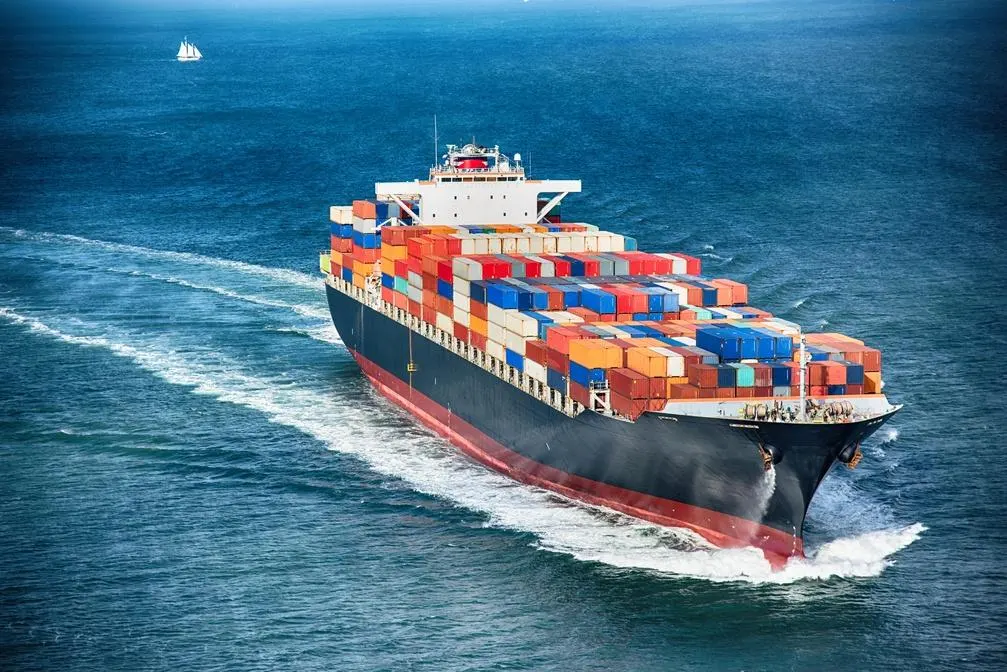
New Delhi uses its embassy in Tehran to liaise with Iranian authorities, including the IRGC and the Iranian navy, which vets ships India wants to sail out of the Gulf, according to an Indian shipping ministry official.
For many vessels, the route out of the Gulf and through the Strait of Hormuz involves clearing multiple Iranian waypoints, often staffed by armed personnel, according to two shipping industry sources and three Iranians.
Outside of government agreements, the process to secure Iranian permission to transit involves a detailed vetting procedure conducted by the Islamic Revolutionary Guard Corps, Iran’s elite fighting force, according to three Iranian sources and a European shipping source. The IRGC reviews a so-called affiliation document supplied by a ship owner or operator and submitted through an intermediary, the sources said.
“The affiliation check is to identify if the vessel has any connection to the U.S. or Israel,” said the European shipping source. It takes about a week for the Guards to review documentation, and during the process they may want to physically inspect the ship, the source said.
The IRGC requires ship owners to disclose details including the value of the ship’s cargo, the flag, its origin and destination, the registered owner and manager, and nationalities of the crew, according to documents reviewed by Reuters that were sent to shipping industry sources by Iran’s Persian Gulf Strait Authority. The authority was set up in recent weeks to approve and tax vessel transits.
The vetting is carried out by Iranian state institutions including the Ports and Maritime Organization, the Ministry of Industry, Mine and Trade, the national shipping organization, and the security overseer of the Supreme National Security Council, according to the three senior Iranian officials. The IRGC, which has broad oversight over Iranian security, is also involved in evaluating the ships, the officials said.
Bilateral arrangements for passage include an additional step: Countries contact Iran’s foreign minister to request permission. The minister forwards these to the Supreme National Security Council, which includes the IRGC and representatives of Supreme Leader Mojtaba Khamenei, one of the officials said.
“A decision is then made and communicated to the relevant bodies, including the IRGC,” the official said. He added that the IRGC provides the coordinates and instructions needed for safe passage.
Countries have worked out different arrangements with Iran for their ships to pass through Strait of Hormuz. Among them is India, which imports about 90% of its oil needs and about 50% of its gas, much of which passes through Hormuz.
New Delhi uses its embassy in Tehran to liaise with Iranian authorities, including the IRGC and the Iranian navy, which vets ships India wants to sail out of the Gulf, according to an Indian shipping ministry official.
“Once everything is verified, the ship captain is given a route to follow, and the ship sails out of the area with guidance from the Iran navy. The captains are strictly told to follow the given route,” the official said. Ships are told to turn off their location transponders and not use satellite communications, he added.
After Iran grants permission, the Indian Navy directly contacts shipmasters of Indian-flagged vessels in the Gulf and gives them waypoints, said an Indian shipping industry source with direct knowledge of the process.
“The Indian navy also told us that if the Iranians ask you to stop, then you should stop. If they ask you to move, you should move,” the source said, “And we’ve been following those instructions.”
So far, 13 Indian-flagged vessels have cleared the Strait of Hormuz, while 13 remain stranded west of the waterway, India’s Shipping Ministry said on May 14.
India, Russia, Pakistan and Vietnam did not respond to requests for comment about Iran’s controls of the strait.
Outside of government agreements, the process to secure Iranian permission to transit involves a detailed vetting procedure conducted by the Islamic Revolutionary Guard Corps, Iran’s elite fighting force, according to three Iranian sources and a European shipping source. The IRGC reviews a so-called affiliation document supplied by a ship owner or operator and submitted through an intermediary, the sources said.
“The affiliation check is to identify if the vessel has any connection to the U.S. or Israel,” said the European shipping source. It takes about a week for the Guards to review documentation, and during the process they may want to physically inspect the ship, the source said.
The IRGC requires ship owners to disclose details including the value of the ship’s cargo, the flag, its origin and destination, the registered owner and manager, and nationalities of the crew, according to documents reviewed by Reuters that were sent to shipping industry sources by Iran’s Persian Gulf Strait Authority. The authority was set up in recent weeks to approve and tax vessel transits.
The vetting is carried out by Iranian state institutions including the Ports and Maritime Organization, the Ministry of Industry, Mine and Trade, the national shipping organization, and the security overseer of the Supreme National Security Council, according to the three senior Iranian officials. The IRGC, which has broad oversight over Iranian security, is also involved in evaluating the ships, the officials said.
Bilateral arrangements for passage include an additional step: Countries contact Iran’s foreign minister to request permission. The minister forwards these to the Supreme National Security Council, which includes the IRGC and representatives of Supreme Leader Mojtaba Khamenei, one of the officials said.
“A decision is then made and communicated to the relevant bodies, including the IRGC,” the official said. He added that the IRGC provides the coordinates and instructions needed for safe passage.
Security and Navigation Fees
By early May, around 1,500 vessels with about 22,500 sailors aboard were trapped in the Gulf, according to the U.S. military. That maritime bottleneck stems from Iran’s ability to strike ships in the strait from along the coast. Its grip has transformed the conflict into what the head of the International Energy Agency described as the world’s worst ever energy crisis. The U.S. Navy has responded by imposing its own blockade of Iranian ships and cargo with a cordon outside the strait.
Only a trickle of vessels have passed through the waterway. Between April 18 and May 6, fewer than 60 ships made it through, according to unpublished analysis by U.S. firm SynMax Intelligence. Before the war, some 120 to 140 ships traversed the strait on a typical day, about half of them oil tankers.
American citizens are prohibited from engaging in transactions with the Iranian government under U.S. sanctions laws. Non-Americans may also face “secondary sanctions” for dealing with Iranian entities. In addition, many Western governments maintain their own sanctions and restrictions relating to Iran.
The U.S. Treasury Department issued a statement on May 1 warning “about the sanctions risks of making these payments to, or soliciting guarantees from, the Iranian regime for safe passage.”
The new Iranian mechanism includes a tiered system giving preference to ships linked to its allies Russia and China, followed by countries such as India and Pakistan with close ties to Tehran, and then government-to-government agreements that let vessels like the Agios Fanourios I pass, Reuters found.
“The department is prepared to take action against any foreign company supporting illicit Iranian commerce,” the U.S. Treasury Department said in response to questions from Reuters about the system.
Reuters could not independently determine how many vessels have used the scheme so far. Iran has said ships linked to the United States or Israel, which launched aerial attacks on Iran in late February, may not cross the strait.
Two European shipping sources said some vessels that aren’t covered by government-to-government deals are paying Iranian authorities upwards of $150,000 to secure safe passage through the Strait of Hormuz.
Ships are sometimes charged security and navigation fees, which vary according to cargo, two senior Iranian officials told Reuters. Neither official provided specific figures, but one said “not all countries are subject to these charges.”
Reuters could not independently confirm the sums being levied on vessels or the total amount that has flowed into Iranian coffers.
‘The New Norm’
Under international maritime law, governments cannot charge for safe passage through a strait. But there can be fees associated with security or services as long as ships of all countries are treated equally.
These payments and the names of ship owners who have paid Iranian authorities to extract their vessels are closely guarded secrets, as such payments would violate U.S. economic sanctions on Iran’s government. Reuters could not determine how the money was transferred or to which Iranian entity.
In addition to possible charges, violators would also lose their insurance coverage for making payments that could benefit the IRGC, because it is an internationally designated terrorist organization, according to two maritime insurance experts.
Ship owners’ willingness to deal directly with Iran despite the risks shows the degree to which the strait is under the Islamic Republic’s control, said Danny Citrinowicz, a former Israeli intelligence officer who specializes in Iran research and analysis.
“The straits will be blocked or opened up only by the approval of the Iranian regime,” said Citrinowicz, who is now at Israel’s Institute for National Security Studies think tank. “Some will get through because of political alliances, others will have to pay, others will be turned back. This is the new norm.”
In a response to the Reuters findings about Iran’s new control mechanism, China’s Ministry of Foreign Affairs called for Hormuz to be opened and said it was concerned about “future arrangements for the strait.”
“Such arrangements should comply with international law and practice, and take into account the legitimate security concerns of coastal states and the legitimate demands of regional countries and the international community,” the ministry’s statement said.
Reuters