
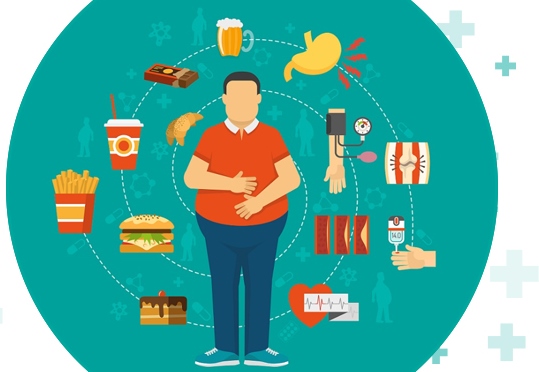
The survey noted that concerns of rising lifestyle diseases, rising burden of cancers, increasing antibiotic resistance, and falling general immunity levels have exacerbated as a consequence of nutritional deficiencies
Dietary reforms should be treated as a public health priority and hold a prominent place in initiatives for the prevention of non-communicable diseases (NCD), the Economic Survey 2025-26.
Energy drinks, nutrient drinks, stress-relief formulations and weight-loss beverages, known as health supplements or nutraceuticals, are not equivalent to clinically validated therapies, the survey said, calling for awareness among consumers so that they make an informed choice.
The survey noted that concerns of rising lifestyle diseases, rising burden of cancers, increasing antibiotic resistance, and falling general immunity levels have exacerbated as a consequence of nutritional deficiencies.
“It is evident that nutrition plays a crucial role in addressing many of these concerns,” it said.
An analysis of food patterns and preferences reveals that a significant segment of the population in India consumes far more cereals than recommended, along with less protective foods such as legumes, milk, nuts, vegetables, and fruits, the survey flagged.
Stressing the need to narrow the nutritional gap, the survey said the the nutrition landscape is complex, characterised by the incidence of child malnutrition, key nutrient deficiencies in adolescent girls, pregnant and lactating mothers, and micronutrient and mineral deficiencies, especially among the vulnerable and marginalised sections of society.
Initiatives directly targeting nutrition outcomes range from the NFSA (National Food Security Act) public distribution measures, the Poshan Abhiyan for children, supplementary nutrition for adolescent girls, mid-day meals, to take-home rations for expecting and lactating mothers, both by the Union and state governments, it said.
These are complemented by initiatives focused on exclusive breastfeeding and complementary feeding, overall reproductive health, as well as campaigns highlighting the benefits of nutrition in school curriculums, lifestyle disease prevention, among others, the survey said.
“However, concerns continue to prevail and, in some cases, worsen,” the survey said.
It underlined that there is a need to acknowledge the presence of underlying factors that affect nutrition, such as diversity and quality of food available, changing sociocultural patterns of consumption, food trends and taboos, and inadequate knowledge about nutrition.
The survey called for strengthening all first-line interventions, from infancy through adolescence to adulthood, to move from merely targeting accessibility to also focusing on quality standards of food and supplements, paired with tracking outcomes.
The current interventions and new ones will need to be based on more disaggregated evidence on food habits and the prevalence of diseases in the region, while also considering access to a diverse range of sources, it said.
Adopting a “whole-of-life” approach for nutrition interventions enables all implementing agencies to collaborate, it said.
Similarly, the supply of processed and packaged protein-rich foods, as well as high-quality micronutrient and mineral-fortified foods, can be incorporated into rations, mid-day meals, and other meals, ensuring both quality and nutrition, the survey suggested.
Traditional foods, such as millets and lesser known pulses, may be considered for distribution through the public distribution system, ensuring that they do not perpetuate reliance on cereals and help widen dietary diversity, it said.
Further, there is also evidence of significant improvement in dietary diversity across consumption classes and states, which is influenced by better infrastructure and access to a wider variety of foods, the survey pointed out.
The 2024 ICMR-NIN Dietary Guidelines address India’s evolving food environment and they tackle the dual burden of malnutrition-undernutrition and rising obesity, while emphasising sustainable food choices, micronutrient sufficiency, and the prevention of diet related NCDs, the survey stated.
It called for leveraging the attractiveness and reach of social media to disseminate the importance of nutrition in the prevention and management of NCDs.
“Sustained awareness generation and education are possible only with a change in behavioural choices, and it can be enabled by embedding the messages in a culturally relevant manner,” the survey said.
Stating schools serve as formative environments where children learn and adopt healthy nutritional and physical activity practices, the report said that it is an ideal place to encourage them to learn and practice healthy habits.
A study of school-based, family-involved interventions for tackling childhood obesity prevention across countries concluded that having teachers actively involved and trained by health professionals to coordinate school-based activities is more effective in promoting healthy energy-balance-related behaviours during school hours, it said.
School-level interventions such as increasing water accessibility, providing free fruits, offering only healthy options in the school cafeteria, and removing vending machines will provide a choice of healthier foods, the survey stated.
It also underlined that integrating mandated daily and weekly physical activity time with classroom activity is crucial for both mental and physical health and will reinforce the benefits.
Regular training and workshops for parents and staff, and collaboration with the local community, will enhance the effectiveness of measures. Any intervention at the school level would only be effective with the active participation of the families and communities to ensure that healthy habits are followed outside schools as well, the survey said.
The survey stated that while national nutrition programmes play a vital role in setting the tone of the policy framework and extending financial support, it is the states that, through successful on-the-ground implementation, determine the efficiency and effectiveness of programmes.
State-level innovations are powerful tools for addressing local challenges and issues, it said. Additionally, social and behaviour change communication (SBCC) strategies have been effective in achieving the desired scheme outcomes.