
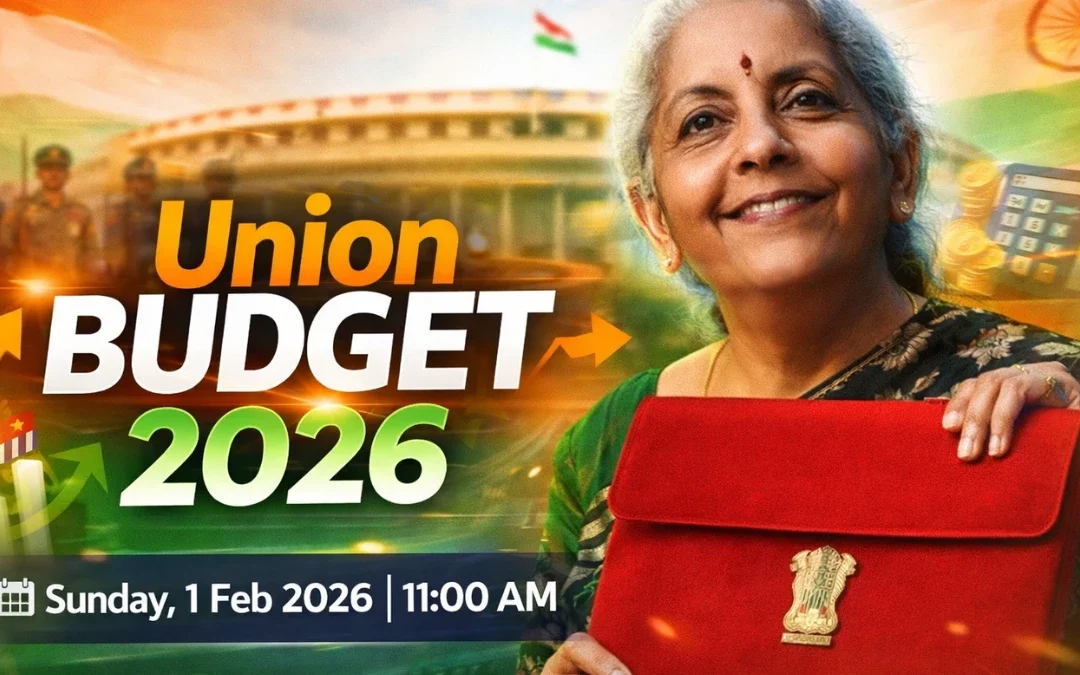
Recent policy measures, such as the exemption of insurance premiums from GST, have laid a strong foundation for sectoral growth, and the Budget 026-27, to be presented by Finance Minister Nirmala Sitharaman on Feb1, can build on this momentum through thoughtful, outcome-oriented measures, outline the Indian insurance industry’s honchos

Naveen Chandra Jha, MD & CEO, SBI General Insurance
As we approach Union Budget 2026, the general insurance sector is at an important inflection point where the focus has shifted from rapid topline expansion to sustainable, disciplined growth.
Stronger regulatory oversight, improving claims governance, and rising customer expectations are collectively reshaping the industry into a more transparent and capital-efficient ecosystem.
The budget presents an opportunity to deepen insurance penetration by improving affordability and access, particularly in underinsured segments such as small businesses, rural households and first-time buyers.
Targeted incentives for micro-insurance and social sector covers, along with relief on policy-level costs for low-premium products, can materially accelerate last-mile adoption.

Sumit Madan, MD & CEO, Axis Max Life Insurance
As India moves into its next phase of economic growth, strengthening household financial security must become a central priority of the Union Budget FY27. Enhancing affordability through simpler, higher, and inflation-aligned tax incentives under Sections 80C, 80CCC, and 80CCD can play a critical role in reviving long-term savings and insurance adoption.
Equally important is the introduction of a separate tax deduction for pure term insurance, outside the existing 80C framework, to meaningfully address India’s persistent protection gap and reinforce life insurance as a foundational pillar of a resilient, sustainable, and future-ready $5 trillion-plus economy.”

Tarun Chugh, Managing Director and Chief Executive Officer, Bajaj Life Insurance
As the Union Budget approaches, it presents an opportunity to strengthen life insurance as a long-term savings and retirement solution through more consistent and equitable policy support. Recent policy measures, such as the exemption of insurance premiums from GST, have laid a strong foundation for sectoral growth, and the Budget can build on this momentum through thoughtful, outcome-oriented measures.
India’s insurance sector has made steady progress, but penetration and coverage gaps remain significant, particularly in retirement planning and rural protection.
Aligning the tax treatment of insurance annuities with other pension instruments, such as taxing only the returns on annuity payouts and extending comparable deductions, would allow individuals to choose retirement products based on suitability rather than tax differences. Similarly, bringing parity in taxation between traditional and unit-linked life insurance policies can simplify the tax framework and encourage disciplined, long-term wealth creation alongside protection.
Improving affordability in rural and social insurance segments is equally important. Rationalising transaction costs, including stamp duty exemptions for low-ticket policies, can help expand access and deepen insurance penetration.
With these policy measures, life insurance can play a stronger role in building retirement security, financial inclusion and long-term resilience for Indian households.”

Venky Iyer,Managing Director and CEO of Tata AIA Life Insurance, Co-Chairperson, Insurance Awareness Committee (IAC-Life)
Taxation has a harder impact on income for pension earners. We believe there is an opportunity to align taxation on pensions with other fixed-interest instruments by taxing only the interest or gains.
This approach would increase post-retirement income for pension earners and mobilise long-term savings through life insurance solutions. Additionally, providing a standard deduction for pension earners who do not commute their corpus would ensure tax parity across all pensioners.

Rushabh Gandhi, MD & CEO, IndiaFirst Life Insurance
As India moves towards the vision of ‘Insurance for All by 2047’, the life insurance sector looks to Union Budget 2026 for policy measures that strengthen long-term financial security and retirement readiness for citizens. Life insurance is a long-term social protection product, and enabling GST input tax credit for insurers post exemption will help sustain affordability while ensuring customer-friendly pricing.
We also seek regulatory and tax parity between pension products offered by life insurers and the National Pension System, to create a level playing field and widen retirement coverage.
Feature rich protection plans, accelerated cover for financial inclusion schemes and disproportionate focus on social security will be critical to accelerating insurance penetration and strengthening financial resilience to build a strong Bharat narrative.
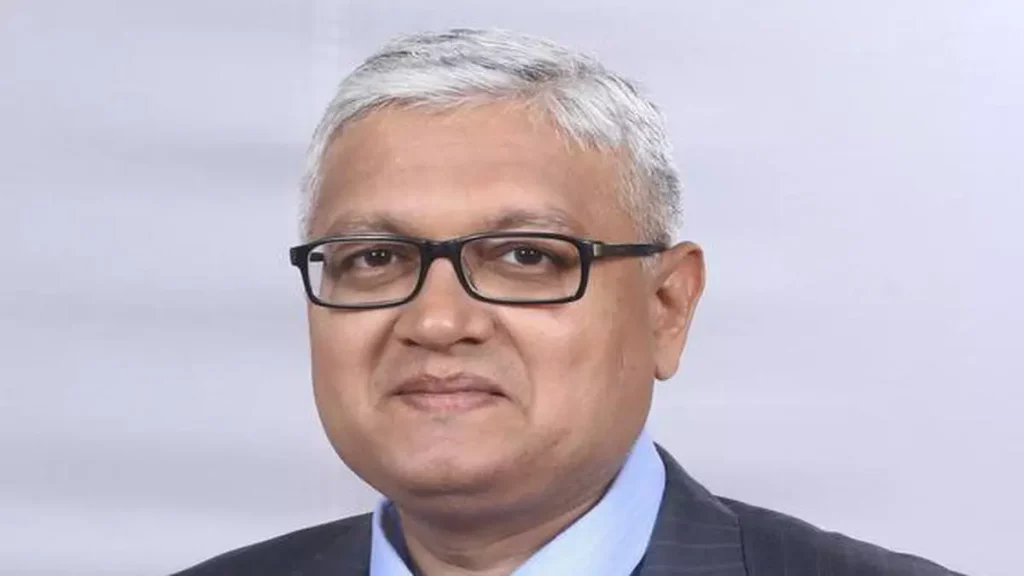
Krishnan Ramachandran, MD & CEO, Niva Bupa Health Insurance & Member of the Executive Committee, General Insurance Council
We welcome the government’s progressive recognition of health insurance as an essential service and the decision to exempt it from GST, which has significantly improved affordability and reinforced the importance of health protection for Indian households.
Another key expectation from the upcoming Union Budget is extending Section 80D benefits to individuals opting for the new tax regime. Health protection should be encouraged irrespective of the tax structure chosen. With rising healthcare costs and increasing longevity, the current deduction limit of up to ₹1 lakh may no longer be adequate. A comprehensive review and enhancement of this limit to at least ₹1.5 lakh would meaningfully strengthen preventive care and long-term health planning.
Additionally, personal accident and travel insurance products currently fall outside the ambit of Section 80D. Including these within the deduction framework would promote holistic risk protection and drive wider adoption.

Sharad Mathur, MD and CEO, Universal Sompo General Insurance
Achieving the goal of ‘Insurance for All by 2047’ will require a clear, time-bound roadmap supported by targeted policy and budgetary measures. The focus should be on building shared digital insurance infrastructure such as interoperable platforms and cost-efficient distribution frameworks that can be used across the industry to expand reach, particularly among first-time buyers.
The Budget can also play a catalytic role by allocating sustained funding for insurance awareness and literacy initiatives, especially in rural and low-income regions where adoption remains uneven. In parallel, government insurance and welfare schemes should be structured to enable wider participation from private insurers through more consultative and business-friendly frameworks.

Alok Rungta, MD and CEO, Generali Central Life Insurance
The forthcoming Union Budget can bring about compelling reform for the life insurance sector by making long-term financial protection more accessible and relevant for today’s families.
To achieve this, the limits on tax concessions for life insurance and retirement products must be revisited, as current thresholds do not reflect rising incomes or evolving life-stage needs. Expanding deductions or making incentives easier to claim will significantly boost demand for higher-value policies, especially given the high protection gap in India.
Affordability and participation can be improved by simplifying taxation across life insurance products, encouraging pure protection plans and incentivizing long-term savings. Equally important will be policy continuity and regulatory clarity, enabling insurers to plan responsibly and invest for the future.”

Asit Rath, Chief Executive Officer and Managing Director, Aviva India
As the Union Budget 2026 approaches, there is a strong opportunity to reinforce life insurance as a core pillar of household financial security and long-term savings. While the sector has made steady progress, protection and retirement gaps persist, particularly among first-time buyers, the self-employed, and underinsured households.
The Budget can play a catalytic role by enhancing and simplifying tax incentives for long-term savings, creating greater parity across insurance and pension products, and encouraging disciplined retirement planning. Measures that improve affordability and ease of participation will help widen coverage, strengthen financial resilience, and support the broader objective of building a more secure and inclusive economy.
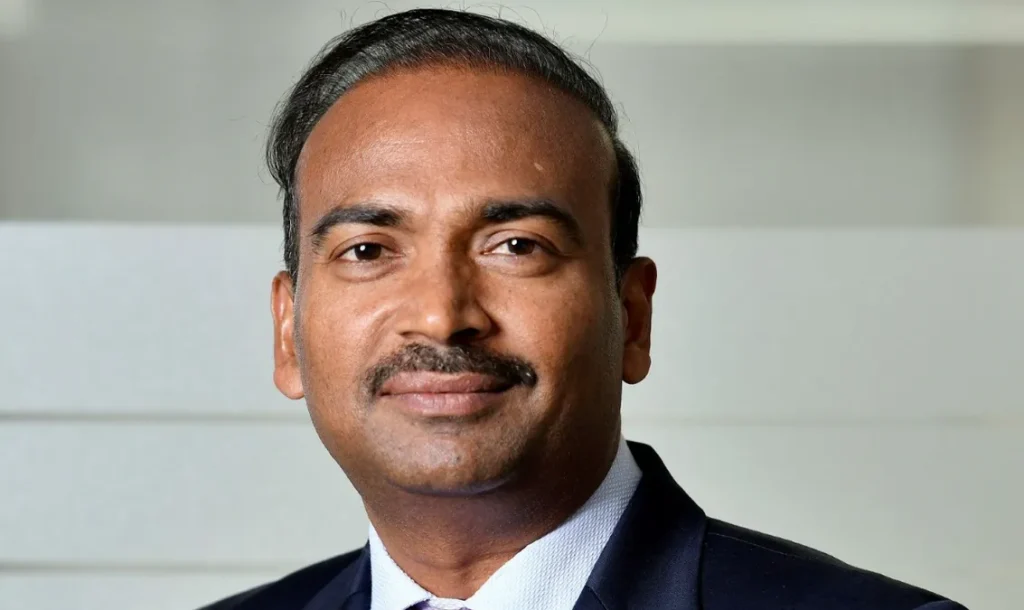
Srinivas Rao Ravuri, Chief Investment Officer, Bajaj Life Insurance
The Union Budget is a critical policy anchor for India, as it sets the tone for government priorities and fiscal strategy with far-reaching implications for economic growth. The upcoming Budget is being presented against a backdrop of elevated global uncertainty, including higher US tariffs on Indian exports, which adds to near-term challenges for the economy.
In this environment, the finance minister faces the task of nurturing the f ledgling growth recovery while simultaneously outlining a credible roadmap for sustainable growth over the next decade. We believe this is an opportune moment for bold and decisive policy action to ensure India fully leverages its demographic dividend.
A balanced approach that supports both public capex and consumption will be key to reviving demand and crowding in private investment. In our view, adherence to fiscal deficit targets should not come at the cost of growth at this juncture.
Temporary and calibrated flexibility on the fiscal front, if directed towards productive expenditure, would be a prudent and growth-positive choice.

Srikanth Kandikonda, Chief Financial Officer, ManipalCigna Health Insurance
With the Finance Minister presenting the Union Budget in a few days, the health insurance sector stands at a pivotal moment where policy reforms could significantly transform the landscape of healthcare accessibility and coverage in India.
Healthcare costs are rising significantly and expected to double in six years, we urge the government to implement measures that can help make healthcare more affordable for all Indians.
For a healthier Bharat, the outlay for healthcare spend has been proposed to be increased to 2.5% of the GDP by 2025 as per the National Health Policy. While India’s out-of-pocket expenditure has seen a decline from 64.2% 2013-14 to around 40% in 2021-22 as per the national health accounts estimate, we are still working towards our mission of achieving Universal Health Coverage.
Hence, we request the government to increase outlay for public healthcare spend during this budget, as this is the need of the hour.
Given the rising healthcare costs and the need for higher sum insured cover, the government should reduce tax burden by increasing the limits under Section 80D of income tax for premium paid for health insurance to Rs 50,000 for all and Rs 1 Lakh for senior citizens. This is crucial for achieving the government’s vision ‘Insurance for all by 2047’ and would substantially reduce the financial burden on families investing in their health and financial wellbeing.

Vaibhav Goyal, MD & CEO, Navi General Insurance
The removal of GST on retail health insurance marked a historic step towards addressing the affordability challenge in health coverage. As we look to the Union Budget 2026, there is an opportunity to focus on ‘adequacy’ as well. Revisiting Section 80D limits to better reflect double-digit medical inflation, and extending these benefits to the New Tax Regime, could help more Indians access coverage that truly meets their needs.
Additionally, offering tax incentives to employers who encourage retail health insurance for their workforce could further broaden the safety net. By addressing affordability, tax parity, and employer participation, the Budget can play a key role in reinforcing social security for every citizen.

Sarbvir Singh, Joint Group CEO, PB Fintech
As Finance Minister Nirmala Sitharaman prepares to present the Union Budget, the focus will be on building on recent positive momentum to keep insurance products affordable, simple and widely accessible. There is also merit in reviewing certain healthcare-related tax provisions that were framed years ago and may no longer reflect today’s operating realities, particularly in urban healthcare.
From an industry perspective, stronger alignment between tax policy, insurance adoption and broader economic priorities will be important. A predictable and simplified framework that supports long-term savings, health protection and financial resilience can benefit both enterprises and individuals.
Hospital room rents illustrate this well. Even standard rooms today often exceed older benchmarks and attract GST, leading to higher out-of-pocket costs for patients. Updating such thresholds in line with current healthcare costs can help ease financial strain on households. Alongside this, greater clarity and consistency in the tax treatment of group medical cover can enable MSMEs to extend health security to their workforce, strengthen formal employment and support business continuity across sectors.
At the same time, retirement preparedness is emerging as a critical pillar of India’s financial ecosystem. With over 14 crore Indians already above the age of 60 and this population expected to nearly double by 2047, the need for sustained, long-term pension savings is becoming increasingly urgent.
Strengthening participation in the National Pension System by extending tax benefits under the new tax regime to both salaried and self-employed individuals, and by delinking employer participation from the employee’s tax benefit to allow voluntary contributions up to the defined threshold, can encourage disciplined retirement savings.
Making pension planning more rewarding, flexible and predictable will be essential to ensuring financial independence in later years and aligning India’s pension framework with global best practices.

Vishwajeet Goel, Head of Pensionbazaar.com
With Budget 2026 on the horizon, conversations are increasingly centred on how policy can further support long-term retirement preparedness for Indian households. India’s demographic transition is no longer a future concern.
Today, over 14 crore Indians are above the age of 60, accounting for approximately 10 per cent of the population. By 2047, this cohort is expected to nearly double, with close to one in five Indians likely to be over 60. This sharp rise in longevity will fundamentally alter how households fund their post-retirement lives, especially at a time when traditional family support structures are weakening.
Against this backdrop, there is a strong case for further strengthening pension participation through the National Pension System. Extending tax benefits on NPS contributions under the new tax regime to both salaried and self-employed individuals will help encourage long-term, disciplined retirement savings.
As the country ages, making pension planning more rewarding and predictable becomes essential for ensuring financial independence in later years.
Another opportunity area lies in improving the utilisation of an already available tax incentive for individuals employed in the corporate sector by delinking employer participation from the employee’s tax benefit. This would allow employees to receive tax benefits on voluntary contributions to NPS up to the currently defined threshold.
Greater flexibility can help bring more of the formal workforce into the pension net and support continuity of savings across careers. Over time, such measures would align India’s pension framework with global best practices, where retirement contributions are actively incentivised to build long-term financial security.