

Notwithstanding geopolitical tensions and external headwinds, the Indian non-life insurance sector is projected to grow between 13-15% on an annual basis over the near term as consumer demand rises in step with the country’s economic growth momentum.
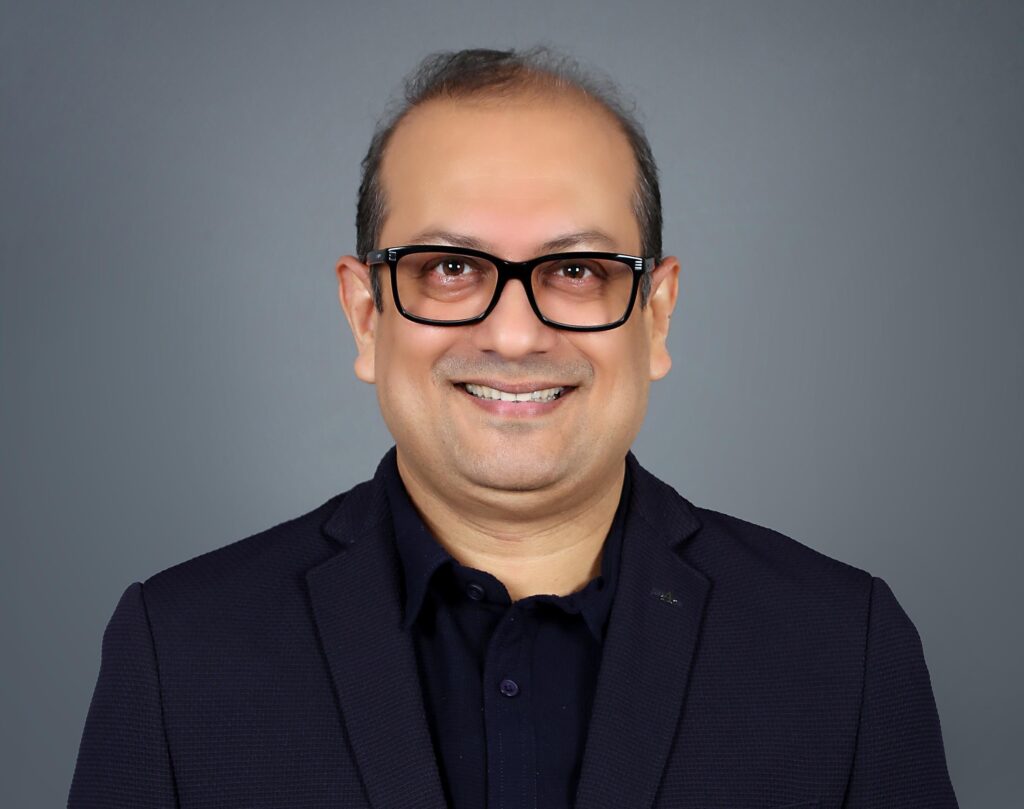
Sharad Mathur, MD&CEO,Universal Sompo General Insurance
With non-life premiums clocking a 13.7% Y-o-Y growth in December 2025, India’s non-life insurance sector is witnessing a robust rebound on the back of demand and structural tailwinds.
In fact, India’s non-life insurance premiums are poised to maintain a healthy double-digit growth rate over the medium term; supported by improving operational efficiencies made possible by Artificial Intelligence (AI), embedded distribution models and InsurTech collaborations.As rising disposable incomes drive domestic consumption further and insurers ramp up the pace of digitalisation, several segments within the non-life insurance sector are poised for significant expansion in 2026 & beyond.
Underlying factors that are boosting non-life insurance uptake
While major economies across the globe are facing economic growth headwinds, India continues to outpace most of them and is expected to remain the fastest-growing economy in the world according to the International Monetary Fund.
With estimates pegging India’s GDP to grow between 6.8% to 7.2% for FY2026-27, broader economic growth should translate into further expansion of India’s burgeoning middle class, higher vehicle sales, increased commercial activity and a subsequently higher demand for insurance products.
Among key segments that have benefitted from India’s sustained economic growth momentum, the health and motor insurance space will continue to account for a lion’s share of the total non-life insurance business; even as crop, marine, fire and other insurance segments grow fairly above the nominal GDP growth rate.
Rising healthcare costs and improving consumer awareness levels have contributed to a sustained demand for health insurance products, even as the move to reduce GST on individual health insurance policies to 0% spurs greater consumer adoption and encourages existing policyholders to increase their coverage.
Similarly, the reduction in GST rates on cars and motorcycles has boosted new vehicle sales since Q3 CY2025; in turn propping up demand for motor insurance. While the growth in motor insurance premiums has come in largely from third-party premiums,
personal (own-damage) premiums are also on the tear supported by rising new vehicle prices.
Regulatory push to widen insurance access and power digital distribution expansion
Driven by its aim of achieving ‘Insurance for All’ by 2047, the Insurance Regulatory and Development Authority of India (IRDAI) has been implementing several reforms to simplify insurance purchase and distribution. While flagship government schemes like the Ayushman Bharat – Pradhan Mantri Jan Aarogya Yojana (AB-PMJAY) and the Pradhan
Mantri Jeevan Jyoti Bima Yojana (PMJJBY) have brought millions under the ambit of health and life insurance, IRDAI’s Bima Trinity initiative has been quietly transforming the Indian insurance sector as a whole by facilitating affordable
insurance access.
With the Bima Sugam digital platform providing a one-stop solution for insurance purchase, servicing and claims settlement, the Bima Vahak localised women-led distribution channel should help enhancing insurance penetration across rural & semi-urban centres.
Likewise, IRDAI has been encouraging insurers to embrace advanced technologies to improve underwriting, implement robust fraud detection controls and facilitate faster claims for enhanced customer satisfaction. On their part, insurers are innovating new specialised risk protection solutions such as parametric insurance products for
commercial and agricultural applications to meet ever-evolving risk needs, while also leveraging digital tools and analytics to deliver personalised guidance during the customer lifecycle.
Rising technology adoption, greater InsurTech collaboration and digital distribution expansion will enable insurers in tapping into underserved insurance and demographic segments; ultimately helping them deliver insurance products with reduced operational costs and greater accessibility in the foreseeable future.
Non-life insurance industry predictions for 2026
Notwithstanding geopolitical tensions and external headwinds, the Indian non-life insurance sector is projected to grow between 13-15% on an annual basis over the near term as consumer demand rises in step with the country’s economic growth momentum.
Moreover, the move to allow 100% Foreign Direct Investment (FDI) under the automatic route should encourage global insurers to double-down on their investments in India’s insurance sector and foster healthy competition with increasing technology adoption. Insurers will also be seen supplementing their existing physical distribution channels by strengthening bancassurance partnerships in line with RBI’s customer-first
norms, even as they pursue large-scale digital transformation to streamline operations and unlock new business opportunities across the insurance value chain.
Still, as the sector moves to maintain its new found double-digit growth momentum, insurers will also be focused on mitigating challenges associated with emerging climate and business risks; making 2026 a year of balancing growth aspirations with prudent underwriting discipline that can build resilience for a Viksit and Sashakt Bharat!
India’s non-life insurance growth story appears closely tied to rising asset ownership, infrastructure development and regulatory push for insurance penetration. Sustaining 13-15% growth will likely depend on how effectively insurers leverage technology and expand coverage beyond urban markets.
The discussion around regulatory reforms and increased foreign investment opportunities is very relevant. Such policy initiatives can significantly strengthen capital inflows, innovation and competitiveness in the industry.
An excellent and highly insightful article. It captures the future growth drivers of the Indian general insurance industry with great clarity and strategic foresight.