
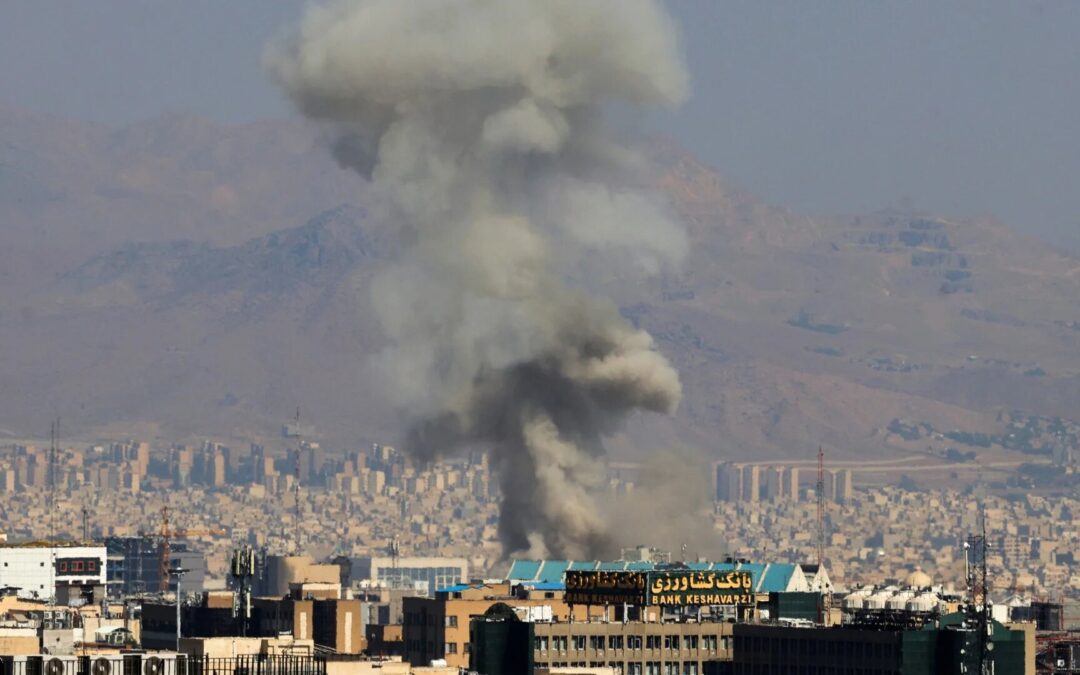
Additional premiums for vessels transiting high-risk waters are rising sharply and may continue to fluctuate in the short term.Cargo war risk remains available; however, rates are increasing and quotations are being reviewed on a voyage-by-voyage basis, particularly for energy and bulk commodity trades
Market sources said after marine re/insurers, aviation re/insurance are considering to follow suit
Singapore:Several marine insurers said they are canceling war risk cover for ships due to the conflict in Iran and the Gulf.
Insurers including Gard, Skuld, NorthStandard, the London P&I Club and the American Club said their cancellations will take effect from March 5, according to notices dated March 1 on their websites.
War risk cover will be excluded in Iranian waters, as well as the Gulf and adjacent waters, according to the notices.
Skuld added in its notice that it was working on a buy-back option to reinstate cover.
India’s GIC Re Japan’s MS&AD Insurance Group have said they have suspended underwriting of a range of insurance policies covering war risks in the waters around Iran and Israel and neighboring countries.
Several tanker owners, oil majors and trading houses have since suspended crude, fuel and liquefied natural gas shipments through the narrow waterway, and satellite data has shown vessels accumulating near key United Arab Emirates ports such as Fujairah.
Ship-tracking data on Sunday showed the disruption growing, with at least 150 tankers – including crude and LNG carriers – anchored in open Gulf waters beyond the Strait of Hormuz and dozens more stationary on the other side of the chokepoint.
The risks intensified further after at least three tankers were damaged off the Gulf coast and one seafarer was killed.
Stephen Rudman(in pic), Head of Marine, Asia, Aon, said marine war risk underwriters have reacted swiftly to the heightened geopolitical risk environment in the aftermath of regional conflicts involving US, Israel, Iran and other Gulf states in the Middle East region.

Market sources said after marine re/insurers, aviation re/insurance are considering to follow suit.By Monday evning, it will be clear, if airlines will be served notices of cancellation due to Middle East crisis.
The global aviation industry is under heavy strain after rising military tensions involving the United States, Israel and Iran triggered widespread airspace closures across West Asia, disrupting flight operations around the world.
As of Sunday, airlines across regions have been forced to cancel or reroute flights after emergency safety restrictions were imposed on key air corridors.
Aviation industry estimates suggest that more than 700 flights have already been cancelled globally, while hundreds of others have been diverted to longer routes to avoid conflict zones.
Iran’s state media said on February 28 that the Islamic Republic has shut the Strait of Hormuz – one of the world’s most critical energy chokepoints through which about a fifth of global oil and gas supplies transit – in response to US and Israeli missile strikes.
There was an expectation that war risk insurance rates would surge when underwriters reviewed cover on Monday, maritime sources said.
War risk cover is required when sailing into perilous areas and the Lloyd’s of London market has already listed Iran, the Gulf and parts of the Gulf of Oman as high-risk.
According to Aon, the primary actions that are being observed in the marine re/insurance market include:
-Issuance of formal notices of cancellation under standard 7-day war clauses on certain annual hull war policies,
-Withdrawal or revision of existing quoted additional premiums (APs) for transits through listed high-risk areas,
-Reinstatement of cover being offered at materially increased rates,
-Heightened underwriting scrutiny for voyages into or near sensitive zones, including potential requirement for prior approval,
-Importantly, this activity relates specifically to war risk extensions. Core hull and machinery and P&I covers remain in place unless otherwise advised.
Hull vs Cargo War Risk
The hull war market has reacted more immediately due to aggregation exposure and capital sensitivity. Additional premiums for vessels transiting high-risk waters are rising sharply and may continue to fluctuate in the short term.
Cargo war risk remains available; however, rates are increasing and quotations are being reviewed on a voyage-by-voyage basis, particularly for energy and bulk commodity trades.
“We would estimate that near-term rate increases for marine hull insurance in the Gulf could range from 25 percent to 50 percent,” said Dylan Mortimer at insurance broker Marsh.
Maersk, the world’s biggest container shipping company, said on Sunday it was halting passage through the Strait of Hormuz for “safety” reasons.
“We are suspending all vessel crossings in the Strait of Hormuz until further notice,” the Danish group said in an online advisory. “The safety of our crews, vessels and customers’ cargo remains our key priority,” it said.
India’s Federation of Indian Export Organisations (FIEO) President SC Ralhan said the ongoing conflict has already begun to disrupt established global logistics channels.
Capacity Outlook
“At this stage, we are not seeing a systemic withdrawal of capacity. Rather, the market is repricing to reflect the elevated risk profile and reinsurance constraints. Should the situation escalate materially (e.g., sustained state conflict or significant vessel loss), further rate correction is likely,”Stephen Rudman, Head of Marine, Asia, Aon.
`Our marine team continues to monitor developments closely and is in active dialogue with London and international markets,” he said.
What Businesses Should Consider
-Review war cancellation provisions within existing policies,
-Engage early with brokers prior to fixing voyages in high-risk areas,
-Assess charterparty war clauses and allocation of additional premiums,
-Factor potential AP volatility into freight and commercial planning.
Aviation
Along with shipowners, airlines are closely monitoring the situation on operating flights to and through the Middle East as some of the airspaces in the region remain closed for commercial flights.
What initially began as limited safety measures has now turned into a broader operational crisis.
Large parts of West Asia, one of the most important transit regions for international aviation, are either fully closed to civilian aircraft or operating under tight navigation controls. Airspace over several countries, including Iran and Israel, has been affected, severely limiting normal flight movement.
In the last two days, Indian carriers cancelled 760 international flights to various destinations, as per the civil aviation ministry.
Airspaces over Iran, Iraq, Jordan, Israel, Qatar, Bahrain, and Kuwait have experienced total or partial closures, prompting major, ongoing rerouting of international flights.
Major hubs in the UAE, including Dubai and Abu Dhabi, have faced temporary suspensions, with some carriers pausing operations until at least March 2-3, 2026.
International carriers like Lufthansa, Air France-KLM, British Airways, and Singapore Airlines have suspended flights to regional cities (Tel Aviv, Beirut, Dubai, Riyadh) with some cancellations extending as far as March 7, 2026.
Indian airlines (Air India, IndiGo, Akasa Air) have suspended or cancelled numerous flights to and from the Middle East (UAE, Saudi Arabia, Qatar, Israel) through March 2 or 3, 2026, resulting in hundreds of cancellations.
Thousands of passengers are facing stranded situations and delays, with airlines offering rebooking or refunds for disrupted travel.Airlines are closely monitoring the security situation, with many flights to Europe and North America being diverted through alternative routes, such as the Egypt corridor, significantly increasing flight times.
`