
The national pollution watchdog also informed the green body that the National Centre for Sustainable Coastal Management (NCSCM) will take up detection of microplastics in marine water, coastal sediments, sludge and biota, while CSIR-NEERI will work on microplastics in air.
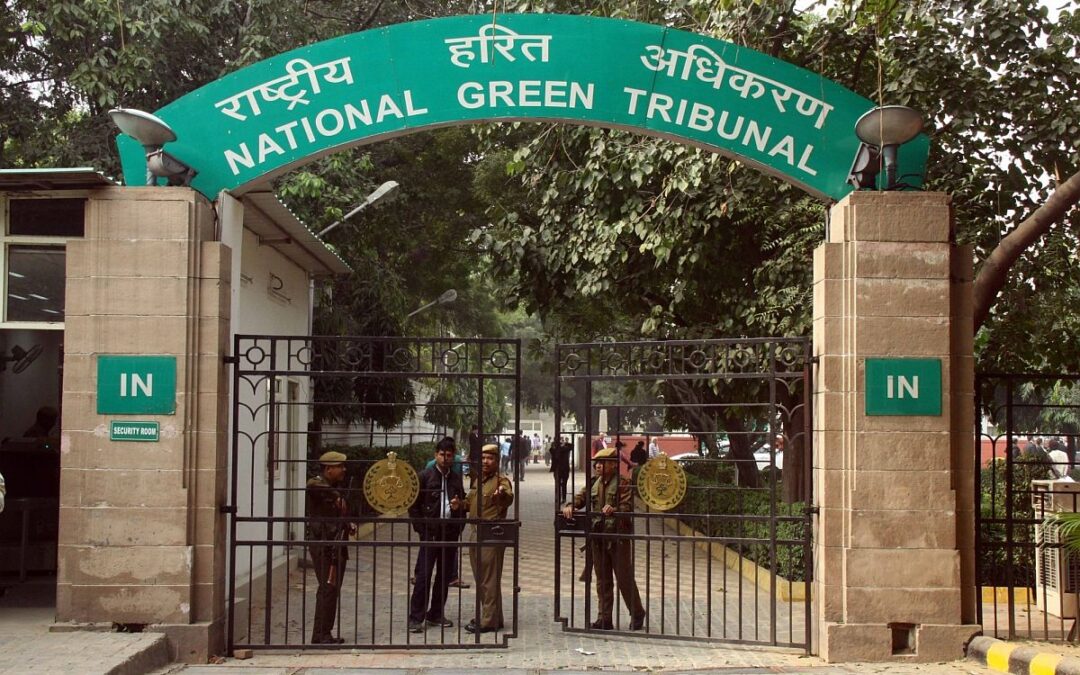
New Delhi: The Central Pollution Control Board has informed the National Green Tribunal that the Central Institute of Petrochemicals Engineering and Technology will develop the methodology for detection of microplastics in freshwater and soil.
The national pollution watchdog also informed the green body that the National Centre for Sustainable Coastal Management (NCSCM) will take up detection of microplastics in marine water, coastal sediments, sludge and biota, while CSIR-NEERI will work on microplastics in air.
The National Green Tribunal (NGT) had earlier taken suo motu cognisance of an August 2024 PTI report titled ‘All Indian salt and sugar brands have microplastics: Study’.
It was then clubbed with an earlier matter regarding the detection of microplastics in human blood, and the tribunal later sought progress reports from the Central Pollution Control Board (CPCB).
In a recent order, a bench of NGT Chairperson Justice Prakash Shrivastav and expert member Afroz Ahamad said, “The CPCB has filed the report dated October 13 disclosing the details of constitution of the joint committee, decision of the committee and the fact that the Central Institute of Petrochemicals Engineering and Technology (CIPET) has agreed to develop the methodology for sampling, sample preparation, and analysis/detection of microplastics in freshwater and soil.”
It said the report discloses the different stages — from the receipt of the proposal to the award of work on an MoU (memorandum of understanding) basis — and seeks 12 months to finalise the entire process.
The report said that the committee, after a series of meetings, is working to develop specific and uniform methodologies for sampling, sample preparation and analysis of microplastics in water, soil/sediment, air, sludge and biota.
The CPCB report said the Bureau of Indian Standards has adopted IS 18998:2025, titled ‘Principles for the Analysis of Microplastics Present in the Environment’, but the standard was not enough to settle the matter.
“The committee has not been able to finalise a uniform methodology, as the said standard provides guiding principles only and does not prescribe detailed, matrix-specific procedures for sampling, sample preparation and analysis across water, soil/sediment, air, sludge, and biota,” the report said.
It said developing a comprehensive national methodology would require “matrix-specific standardisation and inter-laboratory validation” before it could be recommended for nationwide implementation.
To this end, institutions with relevant expertise were asked to contribute to the preparation of the methodologies, the report said.
“CIPET agreed to develop the methodology for sampling, sample preparation, and analysis/detection of microplastics in freshwater and soil, NCSCM agreed to develop the methodology for sampling, sample preparation, and analysis/detection of microplastics in marine water and coastal sediments, sludge and biota, and CSIR-NEERI agreed to develop the methodology for sampling, sample preparation, and analysis/detection of microplastics in air,” the report said.
In its order, the tribunal noted that the CPCB’s counsel sought eight weeks to submit a “further progress report”.
Allowing the plea, the green body listed the matter for further proceedings on February 4, 2027.