
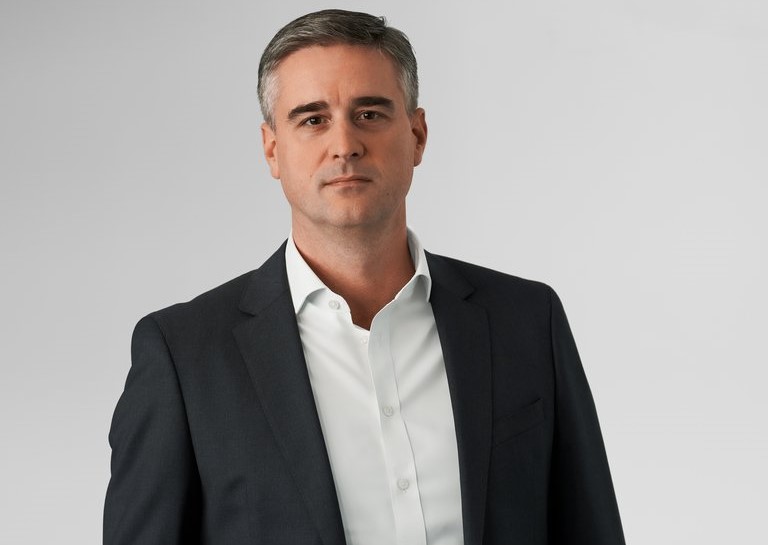
Artificial intelligence, geopolitical tensions and growing digital interdependencies are changing both the frequency and nature of cyber risk. At the same time, the economic cost of cybercrime continues to rise, Patrice Michellon, Chief Executive for Continental Europe, Munich Re.
Climate change, inflation and cyber – risks on the rise
Temperatures in France reaching 3.6 degrees above average in the summer of 2026. A cumulative burned area measuring more than 10.000 km across Europe in 2025. Signals of climate change keep getting stronger. Risks are on the rise, and this is not only evident in heatwaves and continued hail events, but also in cyber threats, persistent cost pressure and single hazards that trigger interconnected impacts, said Munich Re,the largest global reinsurer, on Thursday.
Insurers must navigate this increasingly complex risk landscape. This underscores the value of traditional reinsurance more than ever, as longer benign loss periods do not alter the long term trajectory of these risks, suggested Munich Re.
“Periods of lower losses in natural catastrophes (NatCat) must not lead to complacency about the risks ahead,” says Clarisse Kopff, Member of the Board of Management responsible for P&C Reinsurance in Europe and Latin America at Munich Re.
“We have seen insured NatCat losses in Europe rise by an average 5% per year since 1980, with the rise accelerating in the last decade. Our clients need a partner they can rely on across market cycles, including when major events put their balance sheets under pressure. We combine meaningful capacity with the expertise to understand changing exposures and the ability to respond when losses occur,” stressed Kopff.
The world faces ever-increasing risks. Traditional reinsurance combines dependable capital with deep expertise, innovative solutions for an increasingly complex risk landscape, and the financial strength to pay large claims when they arise. Few can deliver this combination. Munich Re can, added Kopff.
“Artificial intelligence, geopolitical tensions and growing digital interdependencies are changing both the frequency and nature of cyber risk,” says Patrice Michellon, Chief Executive for Continental Europe.
“At the same time, the economic cost of cybercrime continues to rise. According to our Global Cyber Risk and Insurance Survey 2026, 89% of companies feel inadequately protected and the cyber protection gap remains substantial, including in Europe,”said Michellon.
As a pioneer in cyber insurance, Munich Re continues to invest in risk expertise, data and modelling to understand emerging cyber and AI-related exposures and develop sustainable solutions. The acquisition of At-Bay illustrates how digital capabilities can open up new customer segments and combine risk transfer with prevention and technology-enabled services.
Growing and interconnected climate risks require appropriately priced insurance, supported by greater awareness and effective prevention
Increasing exposure remains a major driver of natural catastrophe losses in Europe, where non-peak perils accounted for about 70% of insured losses over the past 20 years and the effects of climate change are becoming increasingly visible.
“Understanding and modelling evolving climate-related risks remains crucial,” explains Tobias Grimm, Chief Climatologist at Munich Re.
“This is where Munich Re’s data can provide additional insights: Europe’s rising temperatures not only increase heat and drought risks, but also affect wildfire conditions, agriculture, energy production and transport infrastructure. A warmer atmosphere can intensify heavy rainfall and flood risks, while changes in severe convective storm conditions can influence hail losses. More broadly, investment in prevention and adaptation can substantially reduce losses and wider impacts.” said Grimm.
The ability and willingness to deploy capital and pay claims quickly when clients need it most
Traditional reinsurance capital has increased relative to alternative capital from a factor of 3.5 in 2017 to almost 4 in 2026. These numbers demonstrate that traditional reinsurance remains the cornerstone of capacity, supporting diversified portfolios and a broad range of client needs more than ever before. By retaining risk on its own balance sheet, Munich Re is positioned to make capacity available independently of retrocession.
Expertise and knowledge sharing to navigate a riskier world
“Reliable capital and liquidity are only part of the value we bring. As a long-term partner, Munich Re combines global market knowledge and forward-looking insights with in-depth analysis of claims trends. We also invest in new risk solutions and build markets from the ground up, as we have done in cyber,” says Kopff.
Motor insurance shows why inflation cannot be understood through a single headline figure. Medical costs, expenses for vehicle technology, repairs and spare parts develop differently and affect portfolios in different ways. Germany from 2017–2025 is a case in point: While costs for spare parts rose at 6.1% per annum and medical costs went up by 4.4% per annum, the average premium only increased by 2.2% per annum.
With tools such as its Insurance Analytics Platform, Munich Re combines cross-market experience with portfolio-level analysis to help clients distinguish these trends and price risks more accurately. The platform is an AI tool for data augmentation and portfolio steering that cedents can easily access via our web portal.
The same combination of expertise and innovation is essential in cyber, where the threat landscape has become increasingly complex.