

“Looking ahead to 2026, climate risk in India is emerging as a significant financial and public health challenge. We are seeing growing demand for coverage beyond traditional health and motor insurance, including cyber risk, Fire Insurance and emerging business lines, reflecting a more complex and interconnected risk environment. Closing India’s protection gap will require continuous product innovation – especially integrated, health-led solutions that emphasise prevention, early intervention, and long-term resilience, along with sustained regulatory support helping build a more prepared and protected India,” .
As the year 2025 comes to a wrap, the insurance industry leaders bid farewell to the eventful year, calling it an inflection point mirroring broader resilience with the wider economy and are set to welcome the New Year 2026 with a bullish outlook.
In 2025, India’s insurance sector saw major shifts with the Sabka Bima Sabki Raksha (Amendment of Insurance Laws) Bill, 2025 enabling 100% FDI, fostering competition, alongside tech booms in Artificial Intelligence/Machine Learning (AI/ML) for underwriting and claims, a surge in digital policy issuance, new products like usage-based & embedded insurance, and a significant push for enhanced regulatory governance and financial inclusion, driving massive capital inflow and market growth.
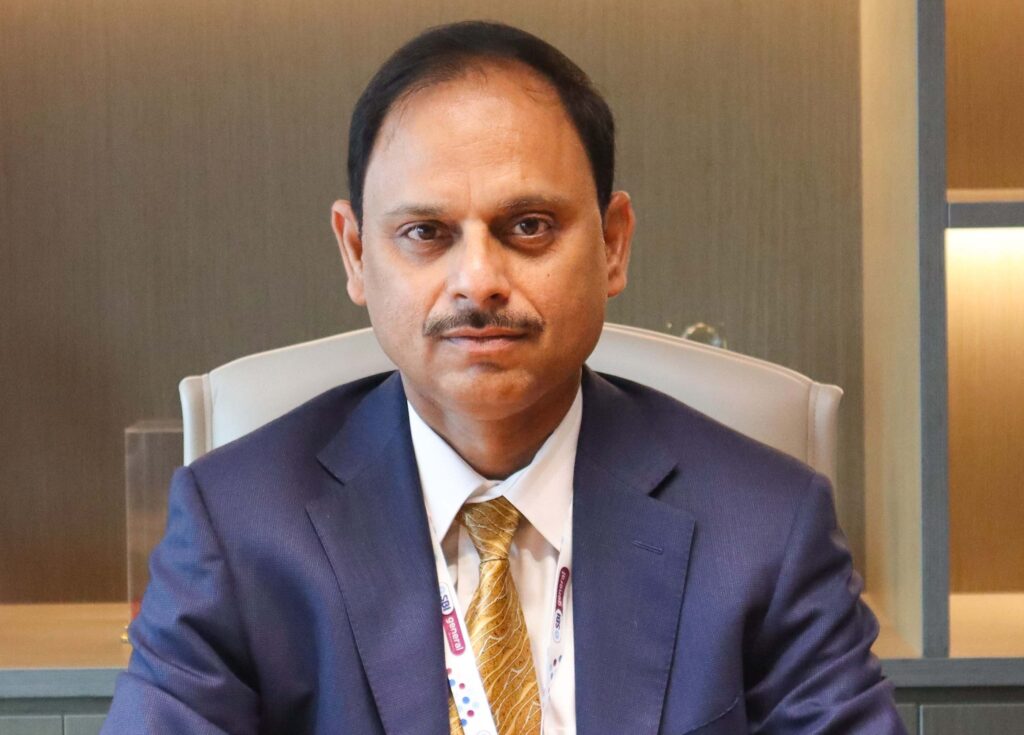
Naveen Chandra Jha, MD & CEO(in pic), SBI General Insurance, said,“2025 highlighted the resilience of India’s general insurance industry, despite regulatory changes and base-related adjustments. As the impact of GST rationalisation stabilised and demand strengthened across segments, the industry closed the year on a significantly stronger footing and is well-positioned for sustained growth.”
Another significant milestone was Parliament’s approval of the Sabka Bima, Sabki Raksha (Amendment of Insurance Laws) Bill 2025, which allows 100% Foreign Direct Investment (FDI) in the insurance sector. This forward-looking reform strengthens India’s ambition to build a well-capitalised, globally competitive insurance ecosystem by attracting long-term capital, enabling access to global expertise, and accelerating innovation across technology, risk management, and product design. It is expected to expand customer choice and support sustainable, long-term growth across the sector, he added.
This landmark reform reinforced the three A’s of insurance – Awareness, Accessibility, and Affordability, reflecting strong alignment between the government, the regulator, and the industry towards the shared vision of Insurance for All by 2047,observed Jha.
“Looking ahead to 2026, climate risk in India is emerging as a significant financial and public health challenge. We are seeing growing demand for coverage beyond traditional health and motor insurance, including cyber risk, Fire Insurance and emerging business lines, reflecting a more complex and interconnected risk environment. Closing India’s protection gap will require continuous product innovation – especially integrated, health-led solutions that emphasise prevention, early intervention, and long-term resilience, along with sustained regulatory support helping build a more prepared and protected India,” outlined Jha.
On the Indian life insurance industry, Kamlesh Rao(in pic),MD & CEO, Aditya Birla Sun and Chairperson of Insurance Awareness Committee(IAC), said that the year 2025 saw some landmark customer-centric initiatives that will go a long way in making life insurance a central intervention in the delivery of universal social welfare support. The year started with the change in surrender value norms and continued its developmental path with the GST exemption and the launch of the Bima Sugam portal.
Currently, demand for life insurance is spread across mainly over protection, annuities and savings product. As more households prioritise protection and retirement solutions, we will continue to witness these products providing financial security. Consequently, 2026 may well see insurers innovating to offer better and more robust products, explained Rao.
The next year may see more international players entering the market following the relaxation of the FDI norms. More players entering the market will enable the industry to harness synergy and deliver life insurance solutions more efficiently. The positive regulatory environment, advancement in digital technology and increased consumer awareness will enable sustained and healthy growth in life insurance in 2026, suggested Rao.

Mayank Bathwal, CEO, Aditya Birla Health Insurance(in pic), said, “The year 2025 marked a clear inflection point for India’s insurance ecosystem, with policy reform and digital progress beginning to translate into real consumer impact. The removal of GST improved affordability and access, while continued advancement on platforms such as the National Health Claims Exchange and Bima Sugam helped reduce friction from purchase, servicing to claims. Together, these developments strengthened confidence in the system and supported broader adoption.”
As announced by Union Finance Minister Nirmala Sitharaman, effective September 22, individual life and health insurance premiums are exempt from Goods and Services Tax (GST), meaning the rate is 0%.
“Looking ahead to 2026, the direction is clear. Growth will be driven less by just expanding coverage and more by improving quality, consistency and trust. The next phase will focus on simpler products, faster and more predictable claims, and deeper engagement across the customer lifecycle. Insurers that prioritise transparency and long-term outcomes are poised to shape the future of the sector,” he added.

Sharad Mathur(In Pic), MD and CEO, Universal Sompo General Insurance, said that the regulatory amendments introduced this year reinforce a simple but powerful idea – insurance must work for the policyholder, especially when it matters most. These changes strengthen trust, improve accountability and move us closer to a system where ease, fairness, and customer dignity define every insurance experience.
By simplifying products, strengthening grievance redressal and enabling digital-first compliance, the regulator has laid the foundation for an insurance system that is more accessible, responsive and resilient, commented Mathur.

Alok Rungta(In pic), MD and CEO, Generali Central Life Insurance,stated a 2025 draws to a close, the life insurance industry has shown remarkable resilience. Though the environment is changing, the industry has continued to grow at a steady clip, extended its reach to more customers, and sharpened its focus on long-term financial protection.
“We saw healthy momentum in new business, indicative of the growing awareness of the role life insurance plays in securing the future of families,”observed Rungta.
Probably the most defining development of this year was the decision to open the sector to 100% foreign direct investment. This is a meaningful step that can bring in fresh capital, global expertise, and new ideas while attracting more foreign players and inducing healthy competition, said Rungta.
“Looking ahead, the outlook continues to stay positive. We see strong focus on the expansion of term insurance and a significant opportunity in rural markets, where rising disposable incomes will drive demand for both protection and savings products,” hoped Rungta
Sumit Rai, MD & CEO, Edelweiss Life Insurance(in pic), said, “2025 was an eventful year by all measures. India was tested on multiple fronts – a tariff war with the US, a brief yet tense military standoff with its neighbour (Operation Sindoor), and a rupee under persistent pressure. Yet, the economy remained buoyant, with consumption staying robust, growth accelerating, and inflation falling to record lows – a credit to India’s concerted policy efforts. It was also the year of the common man, as a cumulative 125-bps rate cut by the RBI, personal tax reforms in Budget FY26, and GST 2.0 reforms significantly improved the disposal income across households.”

“The life insurance industry mirrored this broader resilience, maintaining a strong growth trajectory amid a changing regulatory, and customer landscape. The GST exemption on life insurance products, which signalled the category as essential, boosted demand. Protection and non-participating products remained in favour as customers increasingly prioritised longer-term financial planning. The industry continued its customer awareness efforts under IRDAI’s State Insurance Plan while also expanding distribution capabilities across the country,” he said.
“The longer-term outlook for life insurance remains bullish, and the industry has been making significant strides year after year. Here are some trends likely to unfold in 2026 that continue this journey forward,” he added.
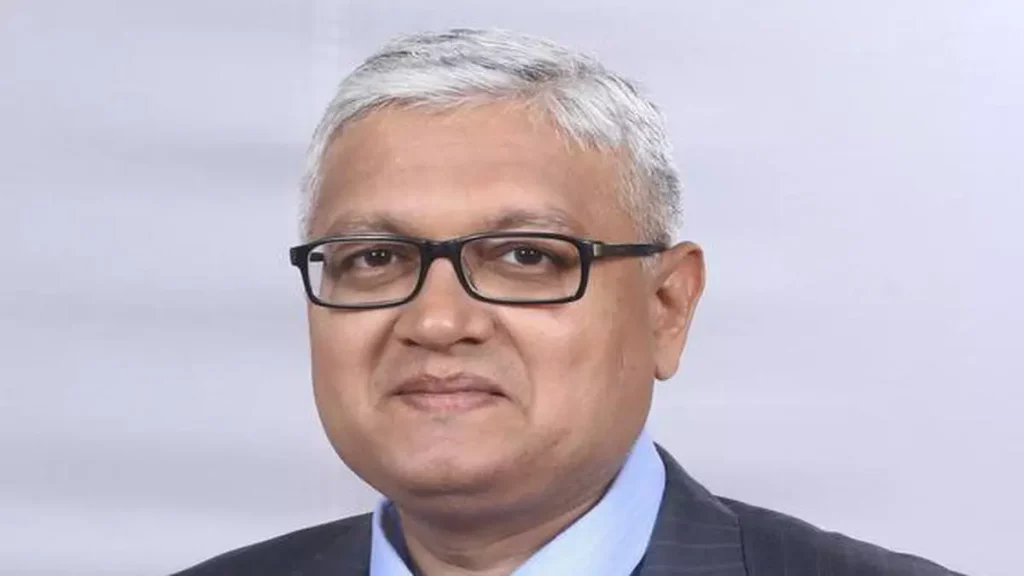
Krishnan Ramachandran, MD & CEO, Niva Bupa Health Insurance(in pic), highlighting the surge in insurance premiums, said, “Standalone health insurers recorded a robust 10.4% year-on-year growth in premiums, reaching Rs 3,622 crore (USD 422.7 million), underscoring rising consumer demand and broader adoption of health insurance coverage. Total premium income is expected to reach Rs 3.21-3.24 lakh crore (USD 37.6-37.9 billion), followed by a further growth of 10.9% in FY27. Despite prevailing macroeconomic headwinds and cost pressures, steady improvements in insurance penetration and density indicate that the sector remains firmly aligned with the long-term vision of achieving Insurance for All by 2047.”
He also said the digital transformation moved into a more mature phase in 2025 for the insurance sector.
“Over 90% of retail policies are now estimated to be issued digitally across insurers. A growing share of health claims, 60-70% in urban markets, are processed through digital or cashless modes. AI-led claims triaging and fraud detection helped insurers reduce turnaround times and improve operational efficiency,” he added.
Ramachandran also highlighted that distribution remained a key focus area as insurers worked to deepen penetration beyond metros. “The industry today engages over 30 lakh licensed insurance intermediaries, with 2025 seeing heightened investments in advisor training, digital enablement and capability-building initiatives,” he said.
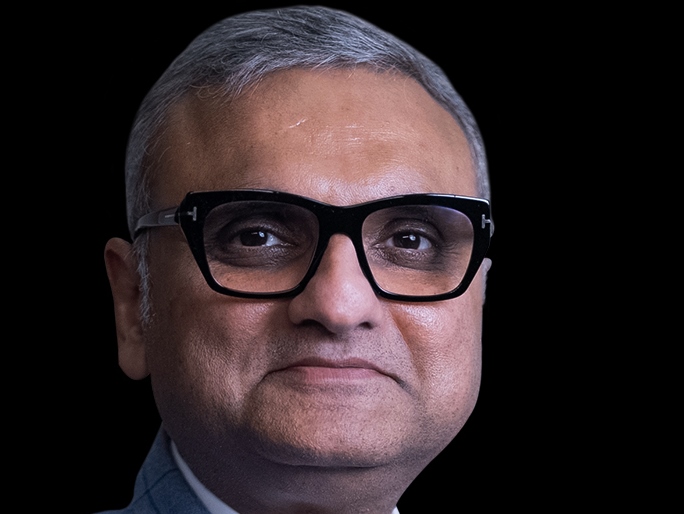
Sandeep Dadia(in pic), CEO and Country Head, Lockton India, commented,“2025 brought greater clarity to the evolving risk landscape facing the insurance industry. There was a sharper focus on emerging and systemic risks, particularly as digital acceleration increased exposure to cyber threats, reinforcing the need for more comprehensive coverage and stronger risk-mitigation strategies. Climate resilience also moved to the forefront, with large-scale natural catastrophes globally exposing persistent protection gaps and underlining the broader economic and social impact of underinsurance. At the same time, global uncertainty influenced risk assessments, leading to higher costs across marine, cargo and hull insurance.
As the industry looks ahead to 2026, India is expected to continue standing out as a resilient economy. Increased capital inflows and closer alignment with global best practices are expected to support the development of products aligned with evolving lifestyles and increasingly complex risk exposures. The industry is also likely to see greater adoption of data-led solutions such as parametric insurance, alongside technology and AI enabling sharper underwriting and more precise pricing. This transition into 2026 comes with valuable learnings and a more flexible regulatory environment, setting the stage for a phase defined by innovation, capital efficiency and more disciplined risk management, said Dedia.