
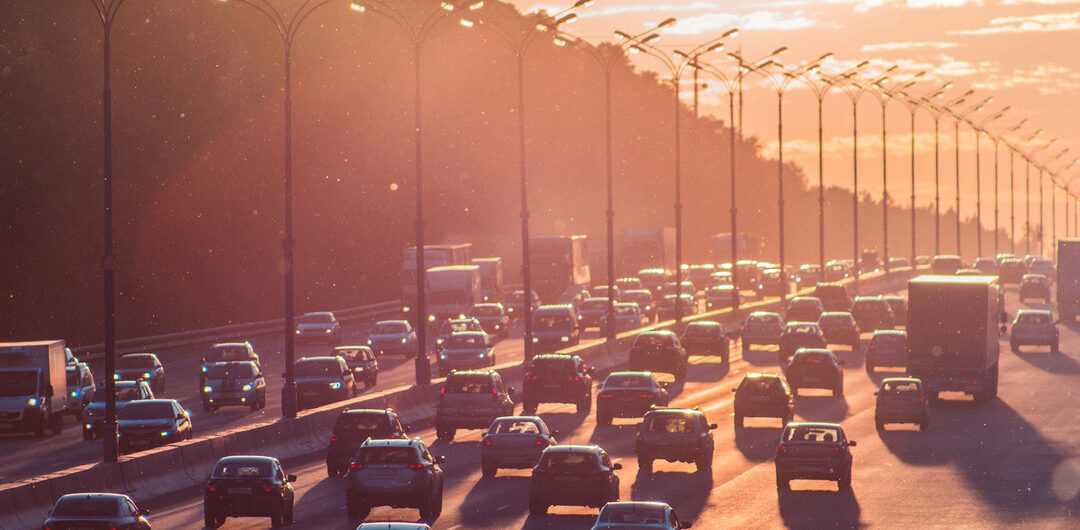
Among the most populous cities in each region, Delhi and Kolkata featured in the top 10 with the highest PM2.5-related disease burden in 2019
Breathing even low levels of pollution over time can produce a myriad of health effects, including reduced life expectancy, missed school and work, chronic illnesses, and even death, putting enormous strains on communities and economies around the world, the report said
New Delhi:
India is home to 18 of the 20 cities with the most severe increase in fine particle pollutants (PM2.5) from 2010 to 2019, according to a comprehensive and detailed analysis of air pollution and global health effects for over 7,000 cities released on Wednesday.
The report published by the US-based research organization Health Effects Institute (HEI) also shows that Delhi has the highest average level of fine PM 2.5 among the world’s most populated cities.
The analysis used data from 2010 to 2019 and focused on two of the most harmful pollutants; fine particulate matter (PM2.5) and nitrogen dioxide (NO2).
The report ‘Air Quality and Health in Cities’ by the State of Global Air Initiative, a collaboration between the Health Effects Institute and the Institute for Health Metrics and Evaluation’s Global Burden of Disease project, combined ground-based air quality data with satellites and models to produce air quality estimates for cities around the world.
The authors noted that in 2019, 1.7 million deaths linked to PM2.5 exposure occurred in the 7,239 cities included in the analysis, with cities in Asia, Africa, and Eastern and Central Europe seeing the greatest health impacts.
They zoomed in to the most populous cities in each region i.e. a subset of 103 cities across 21 regions.
Among the most populous cities in each region, Delhi and Kolkata featured in the top 10 with the highest PM2.5-related disease burden in 2019.
In the 20 cities with the highest PM2.5 exposures, residents in cities from India, Nigeria, Peru, and Bangladesh are exposed to PM2.5 levels that are several-fold higher than the global averages, the report said.
Only four of these cities, and none in India, met the WHO annual PM2.5 Air Quality Guideline of 5 microgrammes per cubic meter (µg/m3) in 2019, it said.
India and Indonesia have seen the most severe increase in PM2.5 pollution, whereas China has seen the greatest improvements.
”Of 7,239 cities, India is home to 18 of the 20 cities with the most severe increase in PM2.5 pollution from 2010 to 2019. The other two cities are in Indonesia,” the authors of the study noted.
”Of the 50 cities with the most severe increase in PM2.5, 41 are in India and 9 are in Indonesia. On the other hand, of the 20 cities with the greatest decrease in PM2.5 pollution from 2010 to 2019, all are located in China,” they said.
Delhi and Kolkata reported 106 and 99 deaths per 1 lakh population in 2019 which could be attributed to PM2.5 pollution.
In 2019, Delhi recorded an annual average PM2.5 concentration of 110 micrograms per cubic meter, the highest among the most populous cities in the world, followed by Kolkata (84 micrograms per cubic meter), said the report.
Beijing in China had the highest PM2.5-attributable death rate of 124 in 2019. Delhi and Kolkata ranked sixth and eighth, respectively.
The report said the burden on the health of PM2.5 has grown rapidly in cities in Southeast Asia.
”Of 7,239 cities analyzed, all the 20 cities with the largest increase in PM2.5-attributable death rates from 2010 to 2019 are located in Southeast Asia, including 19 cities in Indonesia and one in Malaysia. All 20 cities reported an increase of more than 10 micrograms per cubic meter in PM2.5 exposures in 2019 compared with 2010,” it said.
In 2019, 1.7 million deaths linked to PM2.5 exposure occurred in the 7,239 cities, with cities in Asia, Africa, and Eastern and Central Europe seeing the greatest health impacts.
The report found that while exposures to PM2.5 pollution tend to be higher in cities located in low- and middle-income countries, exposure to NO2 is high across cities in high-income as well as low- and middle-income countries.
”Since most cities around the world have no ground-based air quality monitoring in place, estimates of particulate and gas pollution levels can be used to plan air quality management approaches that ensure the air is clean and safe to breathe,” said Susan Anenberg of George Washington University, one of the project collaborators.
The report also highlights data gaps in low- and middle-income nations, a key aspect to understanding and addressing the health effects of air pollution.
According to the WHO’s Air Quality Database, only 117 nations currently have ground-level monitoring systems to track PM2.5, and only 74 nations are monitoring NO2 levels.
Breathing even low levels of pollution over time can produce a myriad of health effects, including reduced life expectancy, missed school and work, chronic illnesses, and even death, putting enormous strains on communities and economies around the world, the report said.
Worldwide, air pollution is responsible for one in nine deaths, accounting for 6.7 million deaths in 2019, with particularly strong impacts on the young, the elderly, and those with chronic respiratory and heart diseases, it said.