
The verdict came after the IT firm failed to persuade a Los Angeles...
Category:
Workplace/Employee Benefits
Latest
Brazil drought drops Amazon port river level to 122-year low
Scientists predict the Amazon region may not fully recover moisture...
AI can be as dangerous for world as nuclear weapons: EAM Jaishankar
S. Jaishankar,External Affairs Minister On the ongoing Middle East...
UK suspends flights with 6 African nations as new Covid variant emerges in Africa
"The variant includes a large number of spike protein mutations as well as mutations in other parts of the viral genome. These are potentially biologically significant mutations which may change the behaviour of the virus with regards to vaccines, treatments and...
Chinese regulators ask Didi to delist from US bourses on security fears
Didi sparked the ire of Beijing when it proceeded with its New York stock offering this summer, despite regulatory requests that it ensure the security of its data before the IPO. Chinese regulators quickly launched multiple investigations into the company and have...
New Covid variant: Centre’s fresh advisory to states for international travellers
In a letter to additional chief secretaries or principal secretaries or secretaries (Health) of the states and union territories, Union Health Secretary Rajesh Bhushan asked them to ensure that samples of travellers turning positive are sent to the designated IGSLS or...

93 countries adopt the first global agreement on the Ethics of Artificial Intelligence
“The world needs rules for artificial intelligence to benefit humanity. The Recommendation on the ethics of AI is a major answer. It sets the first global normative framework while giving States the responsibility to apply it at their level. UNESCO will support its...
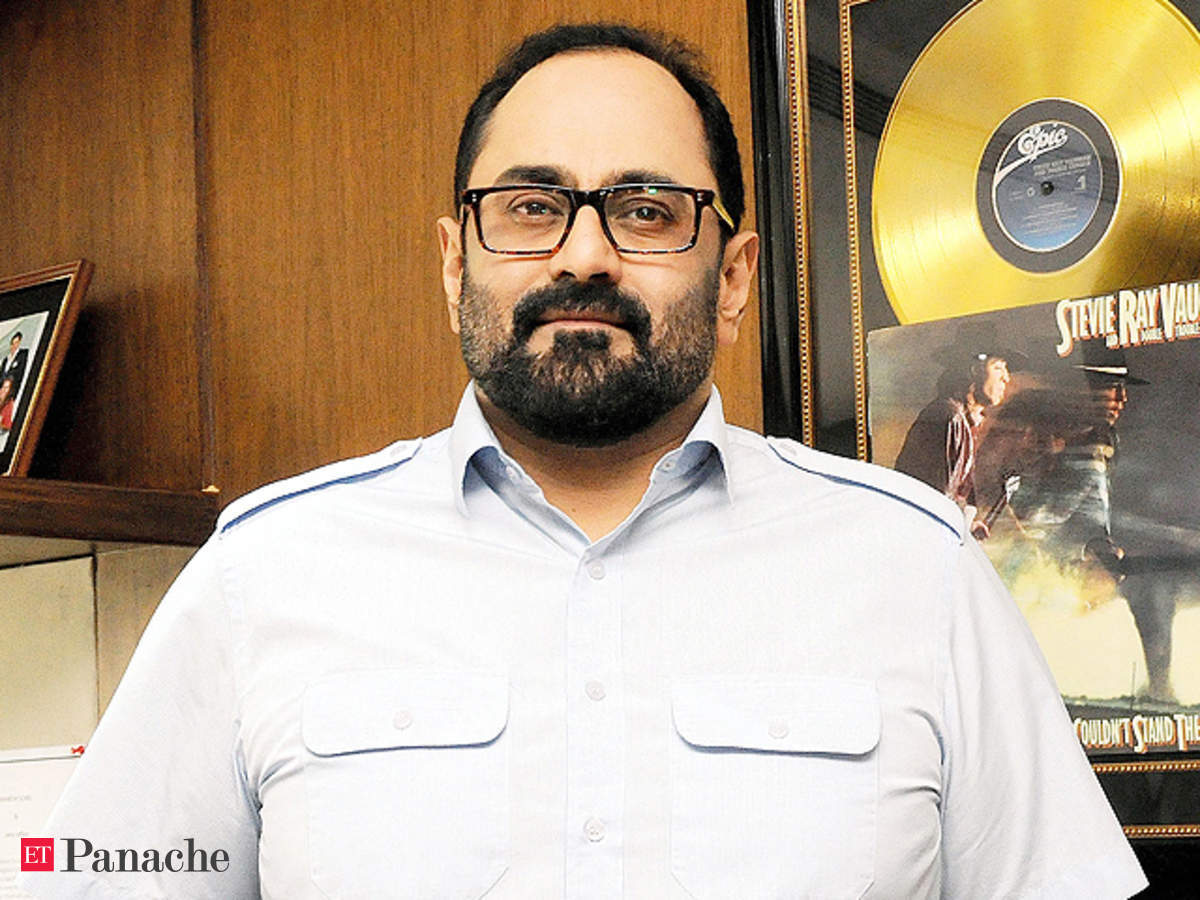
New legal framework evolving on tech, internet; data protection bill step towards that: MoS IT
Minister of State for Electronics and IT Rajeev Chandrasekhar After nearly two years of deliberations, the Joint Committee of Parliament on Personal Data Protection Bill, 2019 on Monday adopted the report on the Bill, which provided the government with...
Higher ransomware claims push up USA CYBER PRICES
Cyber once again saw a record increase in premiums in Q3 2021, at 27.6%. Respondents agreed that one of the primary drivers behind these increases was the rise in cyberattacks, specifically ransomware, phishing, and social engineering attacks. Cyber had been...
Balancing work and fertility demands is not easy – but reproductive leave can help
In Australia, as well as countries such as the United Kingdom, India and New Zealand, “reproductive leave” has emerged as an innovative response to the tensions between work and human reproduction. These policies aim to assist workers in balancing their paid work...
K7 Cyber Threat Monitor Report For Q2 2021-22 Reports Pan-India Infection Rate of 45%
The K7 Cyber Threat Monitor Report Q2 2021-22 analyses the prevalence of cyberattacks across Indian cities. Delhi recorded an infection rate of 44%, the highest amongst Tier 1 cities, closely followed by Chennai, Hyderabad, and Kolkata with an infection rate of 42%...
Flu vaccine demand takes off in India as pandemic raises awareness
Apollo Hospitals and Fortis Healthcare are also witnessing higher demand for flu shots, including Abbott India's imported vaccine, Influvac, the private hospital operators told Reuters. Sales in its vaccine unit rose 42.3% in the financial year ended March, largely...
New Zealand to move into New Covid Protection System on Dec 3
The simplified framework has three levels: green, orange, and red. Vaccine certificates will provide greater freedom at each level. Wellington: New Zealand will move into the new Covid-19 traffic light system on December 3, which provides the ability for businesses...