
Banking remains one of the most guarded sectors of the Indian...
Category:
Banking & Bancassurance
Latest
LIC tops PSUs chart with record Rs 19,013 cr profit in Q4
The insurance behemoth was followed by the country's biggest lender...
DBS drops plans to form an insurance partnership in India and Taiwan, bids fail to match value expectations
DBS was working with Goldman Sachs Group Inc as it weighed forming...
Ukraine crisis highlights Big Tech’s potential to disrupt daily life
Russia's central bank said last week that cards of banks that fell under international sanctions - including VTB Group, Sovcombank, Novikombank, Promsvyazbank, and Otkritie - would not be able to be used with the digital wallets The disruptions were "striking" and...

“Govt willing to consider insurers demand to be on par with banks for issuing surety bonds” Alamelu
TL Almelu, member, Non-Life, Irdai ''A huge market is available for surety bonds in-country and now, the onus is on the insurance fraternity to come out with products quickly. We have already initiated at authority level discussions with the insurance agencies and...

IRFC raises $ 500 million foreign currency Climate Bond
The funds raised will help Indian Railways to meet its target of carbon neutrality and the wider target set by the government to meet the emission and carbon norms set in COP26. This Transaction makes IRFC the first Central Public Sector Enterprise (CPSE) to list its...

LIC wants to remain IDBI Bank shareholder for bancassurance gain
M R Kumar,chairperson,LIC Elaborating on bancassurance channel, Kumar said LIC has distribution tie up with 58,000 branches of different banks. There is still a lot of scope and headroom for growth on that front, he said adding that the corporation will also be keen...
Age before apps revolt galvanises Europe’s elderly savers
in Britain, the government plans legislation to ensure that the digital banking drive does not cut older people adrift Italy's biggest bank Intesa Sanpaolo, which plans to cut 22% of its branches in the next four years, has struck a partnership to provide basic...
U.S. banks urge regulators to be flexible on climate-risk rules
The sweeping proposal applies to lenders with over $100 billion in assets. It touches on everything from board room governance, liquidity, credit and operational risk management, to the way banks project hypothetical future losses on their books and their ability to...
Europe’s banks fund oil and gas expansion despite IEA warning -report
An IEA report in May said there should be no investment in new oil and gas fields in order to have a 50% chance of capping global warming at 1.5 degrees Celsius above the pre-industrial average. The financing comes despite 24 of the banks themselves pledging to...
Axis Bank set to buy Citigroup’s India retail unit for $2.5 bn: Report
For Citigroup Chief Executive Officer Jane Fraser, the planned India retail sale is part of a restructuring to simplify the U.S. lender, do away with its retail banking operations in 13 countries across Asia and Europe, and focus on high-growth businesses such as...
Cryptos a threat to financial stability; value not even a tulip: RBI Guv
Private cryptocurrencies or whatever name you call it are a threat to our macroeconomic stability and financial stability. They will undermine the RBI's ability to deal with issues of financial stability and macroeconomic stability, Das said Mumbai: Governor...
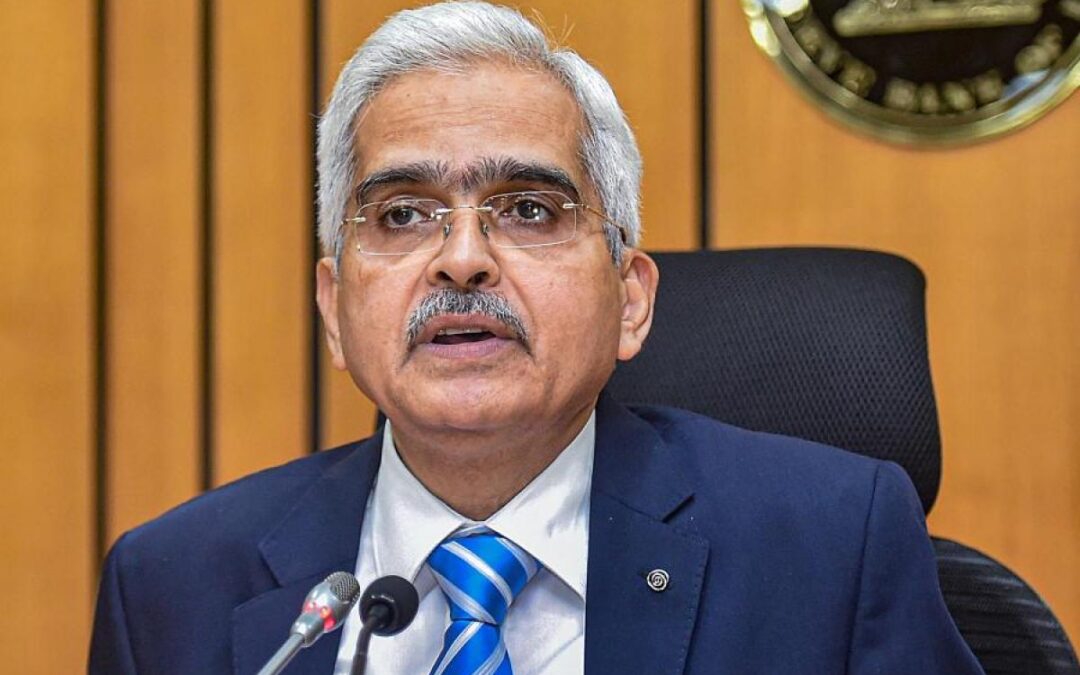
RBI holds interest rates steady, projects 7.8% GDP growth for 2022-23
Shaktikanta Das,governor, Reserve Bank of India The monetary policy committee (MPC) held the lending rate, or the repo rate, at 4%. The reverse repo rate, or the key borrowing rate, was kept unchanged at 3.35% "Overall, taking into consideration the outlook for...