
One new Foxconn template ad reviewed by Reuters described...
Category:
Workplace/Employee Benefits
Latest
Bharat Panchal appointed as chief risk, security, and stakeholder management officer of Bima Sugam
In another key appointment, Bima Sugam India Federation has...
2 PMJAY beneficiaries die after angioplasty Gujarat govt orders probe
Relatives of these 19 patients, in a video which they made outside...
Omicron impact may be less severe due to vaccination, Delta exposure: Govt
From the list of FAQs, the ministry, answering to whether the existing vaccines work against the Omicron variant, said, "While, there is no evidence to suggest that existing vaccines do not work on Omicron, some of the mutations reported on spike gene may decrease the...
Raj govt increases amounts to be reimbursed under Chiranjeevi Swasthya Bima Yojana
Under the scheme, patients will now be able to get free treatment related to organ and tissue transplant surgery and its post-transplant medication, arthroscopy, general surgery related to gastrointestinal bleeding and various neurosurgeries, the statement said....
Air quality panel for Delhi issues new orders, educational institutions to be shut
The Commission for Air Quality Management (CAQM) also directed that industrial operations and processes in NCR, not running on Piped Natural Gas or other cleaner fuels, shall be allowed to operate only up to eight hours a day from Monday to Friday and shall not be...
Omicron may spoil companies’ plans to return to office
Dr. Neal Mills, chief medical officer for benefits consulting firm Aon Plc, said his team has been meeting with clients all week about possible new options. "They are recognizing that they are going to need to revisit many of the decisions they've made. If this...
17 flying squads constituted to implement anti-pollution measures in Delhi-NCR, Centre tells SC
New Delhi: The Commission for Air Quality Management in Delhi-NCR on Friday filed an affidavit in the Supreme Court saying it has constituted an enforcement task force to monitor compliance with its directions to control air pollution in the national capital region....
Scientific reasoning for booster vaccine doses under examination: Govt
"Our priority is the complete task of administering both vaccines and this is the strategy which will give us the best dividend," said Health Joint Secretary Lav Agarwal New Delhi: Scientific reasoning for booster vaccine doses for COVID-19 is under examination but...
55 pc of total COVID-19 cases reported in India are from Kerala, Maharashtra: Union Health Ministry
"Districts reporting high cases of positivity are still a matter of concern for us, we are continuously in talks with those states," the Joint Secretary said. "Among the 18 'districts of concerns' in the country, 9 are from Kerala and one each is from Arunachal...
iNDIA’S resilient cOVID-19 PANDEMIC strategies
The South Asian nation is now ranked twenty sixth in the month-to-month snapshot, which measures the place the virus is being dealt with the most successfully with the least social and financial upheaval. The league desk assesses 53 main economies on 12 data points...
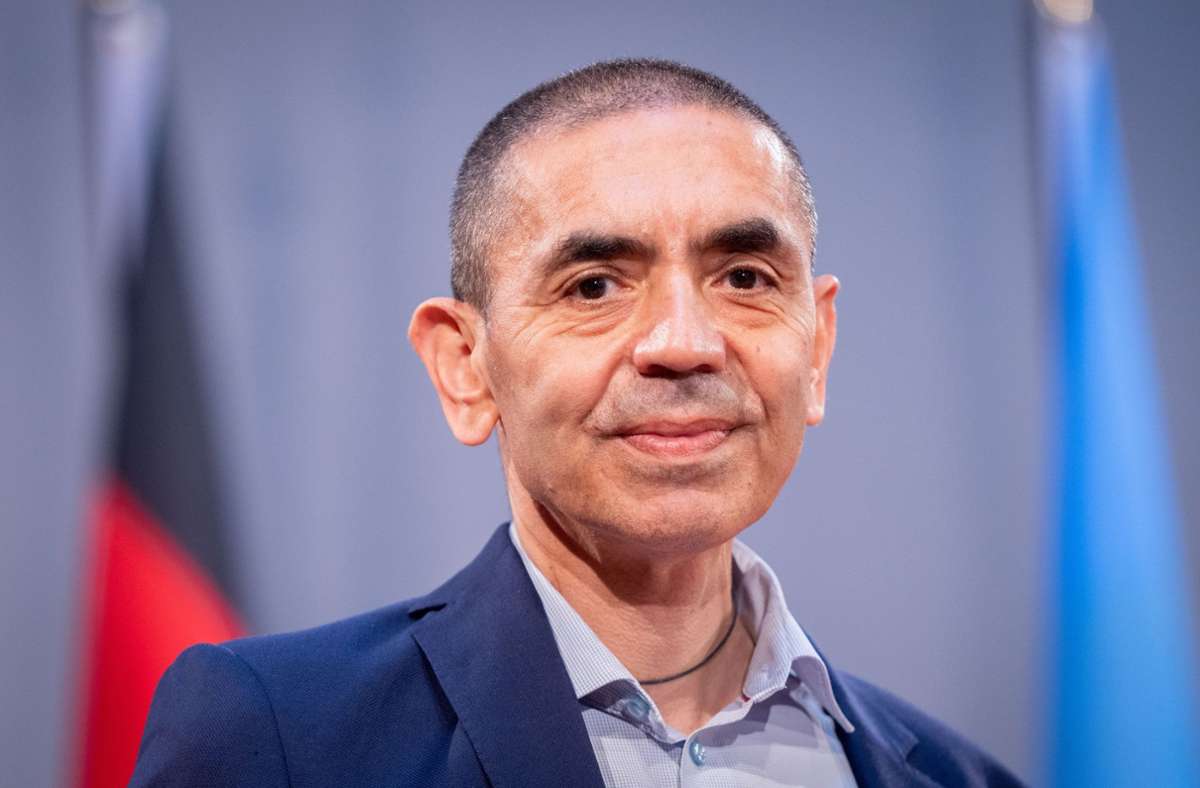
BioNTech CEO says Current Covid vaccines can likely protect from omicron, prefers 3rd booster shot
BioNTech SE Chief Executive Officer Ugur Sahin The comments from the chief of BioNTech, Pfizer Inc.’s partner on the Covid vaccine, add to a growing range of views from vaccine developers on the efficacy of their shots against the new variant. Amid a shortage of hard...
China sets rules to safeguard drivers’ rights in ride-hailing industry
In a statement, the transport ministry said ride-hailing companies should improve income distribution mechanisms. It also said anti-monopoly measures will be stepped up against such companies and a “disorderly expansion of capital” will be prevented in the sector.The...