
Roughly 46% of Europe’s total renewable generation capacity will be...
Category:
Reinsurance
Latest
EV-carrying ship that caught fire in Pacific ocean has sunk
Demand for lithium-ion batteries, including in EVs, is bringing a...
Secondary perils emerging as a big opportunity, Need data and good models to deal with them, says Swiss Re
Beat Strebel,CEO, China, Swiss Re These lesser understood risks are...
Bermuda suspends permits for Russian-operated planes over safety oversight concerns
Of the nearly 1,000 planes in the Russian fleet, 745 were registered in Bermuda, aviation consulting firm IBA said on March 1. Of those, 713 were leased and 32 owned Russia's government said on Thursday it had proposed allowing foreign planes leased by Russian...
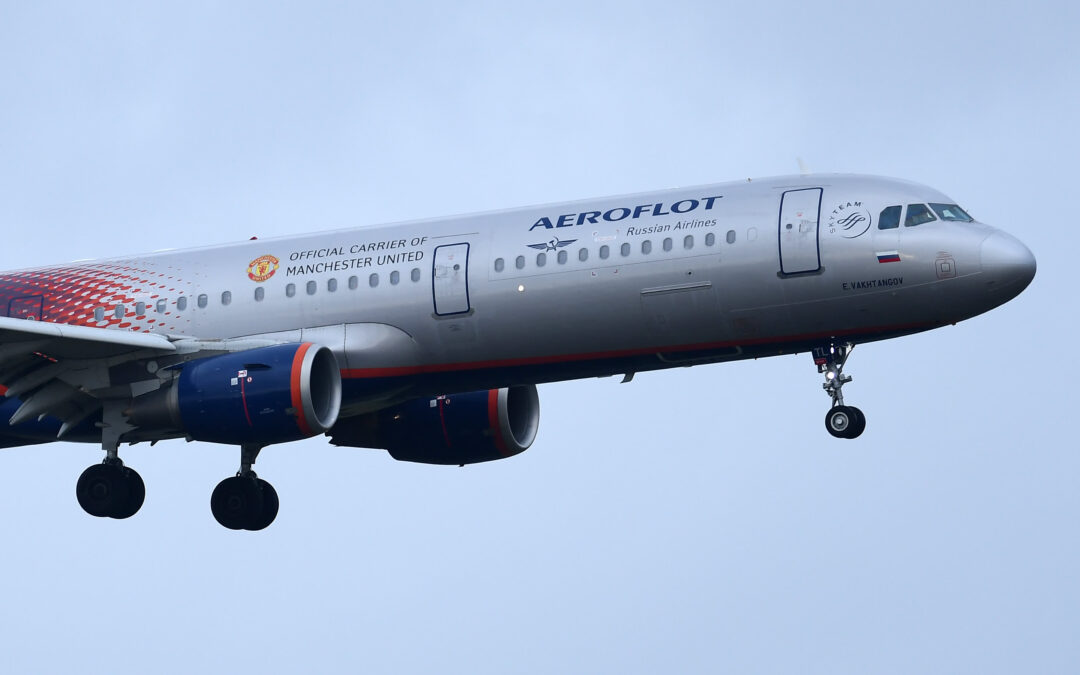
Air Lease says Russian law on leased jets could help in claiming insurance
"It (the law) helps the insurance question because it demonstrates the intent to confiscate which is, I think, a critical aspect of our war-risk insurance," Air Lease chairman Steven Udvar-Házy said on Wednesday The new law allows Russian airlines to place airplanes...

Munich Re announces withdrawal from Russian business
“Existing contracts in Russia and Belarus will not be renewed,” the Munich-based company said on its website Wednesday. The same applies to Munich Re's investments in the region Exceptions will only be made if ending business “would negatively affect persons or...

Your connected car knows you. The tussle for that data’s hitting high gear
Companies in Europe and beyond are vying for control of the crown jewels of the connected car era: your vehicle’s data “If you don’t have access to data in the future, eventually you’ll be squeezed out. You’ll not be efficient, you’ll not have the right services, you...
Lloyd’s of London fines Atrium Underwriters over $1 mln for ‘Boys’ Night Out’ bullying
Lloyd's said in its "notice of censure" that Atrium failed to take adequate steps to deal with an employee's "systematic campaign of bullying against a junior employee over a number of years" and failed to notify Lloyd's of the case LONDON: Lloyd's of London has fined...
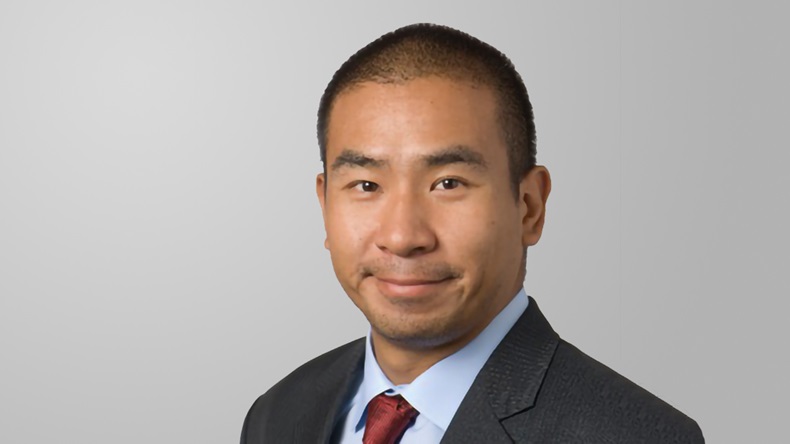
MS Amlin expands in Asia Pacific with double hires
Will Ho, CEO, MS Amlin Asia Pacific Pte Ltd, commented: “We are committed to growing our presence in the Asian market by investing in talented individuals London: MS Amlin Underwriting Limited (MS AUL), the Lloyd’s global (re)insurer, today announces the appointments...
China asks state insurers to review exposure to Russia, Ukraine
The development underscores Beijing’s efforts behind the scenes to minimize risk to its own institutions even as it continues to maintain strong trade ties with Russia in the face of crippling sanctions imposed by the West on that country Beijing: China has told top...
Global nonlife insurers leverage innovation for financial strength: AM Best
The report notes that innovative companies may need to make a trade-off between higher expense ratios in the short run for lower and more-sustainable combined ratios in the long run OLDWICK, N.J: Five-year benchmarking analysis of AM Best-rated nonlife companies’...
Lloyd’s of London says Russia, Belarus represent less than 1% of business
"We’ll keep deploying our expertise, resources and networks – covering crucial areas like cyber, space and political risk – to help deliver an effective sanctions regime against Russian assets," Lloyd's said in a statement on its website dated March 14 LONDON: Russia...
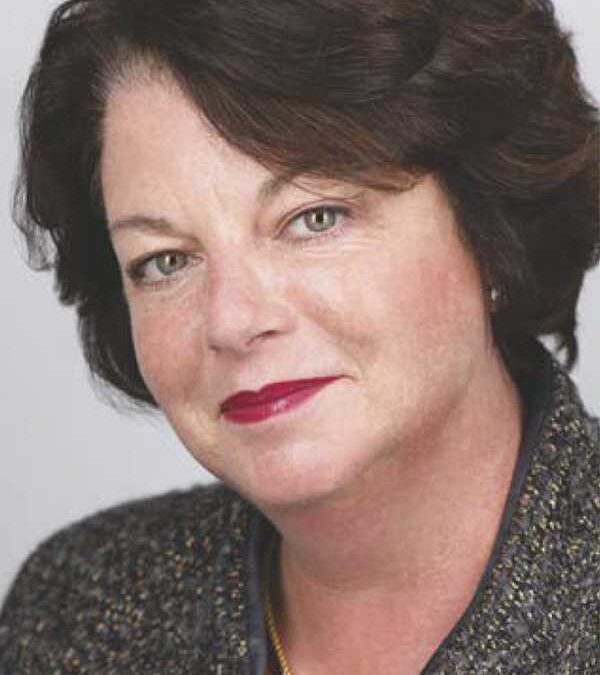
Gallagher rebrands its Indian broking outfit
Vyvienne Wade, chairperson of Global Broking in Europe, Middle East, & Asia, Gallagher commented: "This marks the first time the standalone Gallagher brand has been used in India and is a significant step as we continue to expand our footprint globally. We view...