
Following a diagnosis, almost 40 per cent of patients turn to...
Category:
Articles
Latest
Life Insurance: Current offerings do not align with financial priorities of next-gen customers
The life insurance industry is facing a critical challenge as its...
Fossil-Fuel Demand: Myth of peak is crumbling
For now, the world isn’t performing an “energy transition” but an...

Global UBI premiums expected to surpass €150 billion by 2030: PTOLEMUS’ study
Will connected cars dominate the auto insurance industry? PTOLEMUS’ research ``Connected Auto Insurance Global Study 2021’’ finds out Elon Musk just tweeted Tesla’s intent to launch a UBI(usage based insurance) product in Texas in October, citing why, with the stream...

Digital Child’s Play: protecting children from the impacts of AI
Conor Lennon from UN News asked Jasmina Byrne, Policy Chief at the UNICEF Global Insights team, and Steven Vosloo, a UNICEF data, research and policy specialist, about the importance of putting children at the centre of AI-related policies. Artificial intelligence has...
Hydrogen rush could shift world energy order
As countries transition to sustainable energy, oil and gas led economies could lose USD7 trillion by 2040, the International Energy Agency has warned. Hydrogen could give them a lifeline to extend their business model.Still, electricity is expected to be the energy...
Balancing work and fertility demands is not easy – but reproductive leave can help
In Australia, as well as countries such as the United Kingdom, India and New Zealand, “reproductive leave” has emerged as an innovative response to the tensions between work and human reproduction. These policies aim to assist workers in balancing their paid work...
urban risk landscapes to be driven by 3 main underlying trends:Geneva Association report
Man-made climate change not only directly affects the frequency and severity of weather-related hazards, it also brings longer-term shifts such as sea level rise, water scarcity and quality issues, as well as sustained higher temperatures and heatwaves, said the...
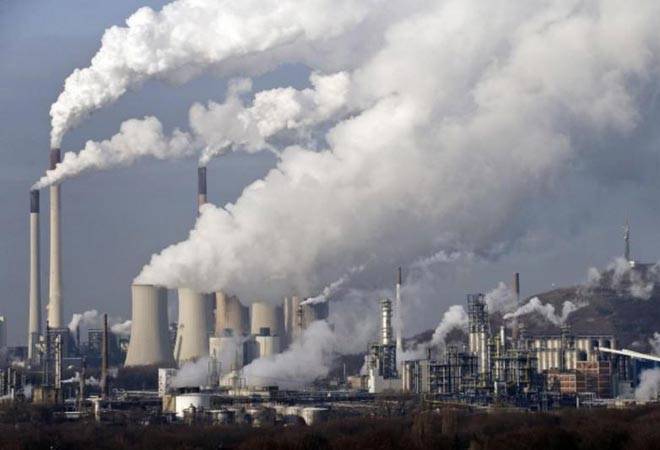
climate talks lends India time to transition
The Global Climate Risk Index 2021, a ranking from research group Germanwatch, put India among the top 10 countries most affected by climate change. The South Asian nation is experiencing rising heat and sea levels, as well as erratic rainfall and stronger cyclones....
Analysis: COP26 message to business – clean up to cash in
New Carbon market rules set to drive investments1.5C target adds pressure for more net-zero plansScrutiny of fossil fuels could shake-up industries GLASGOW: The hard-fought Glasgow Climate Pact sent a clear message to global companies and executives: reassess business...
World Diabetes Day: Doctors emphasize on ‘timely treatment and diagnosis’ of diabetes
It is estimated that by 2045 India will overtake China to become the Diabetes capital of the globe. I see around 40-50 patients of diabetes daily and have observed that males are at a higher risk of Type2 diabetes because it has been hypothesized that the female...
What’s in the Glasgow Climate Pact? Five majors outcomes
Nearly 200 nations agreed to adopt the Glasgow Climate Pact on Saturday after more than two weeks of intense negotiations, with the UK host of the talks saying the deal would keep alive international hopes of averting the worst impacts of global warming. Failure to...
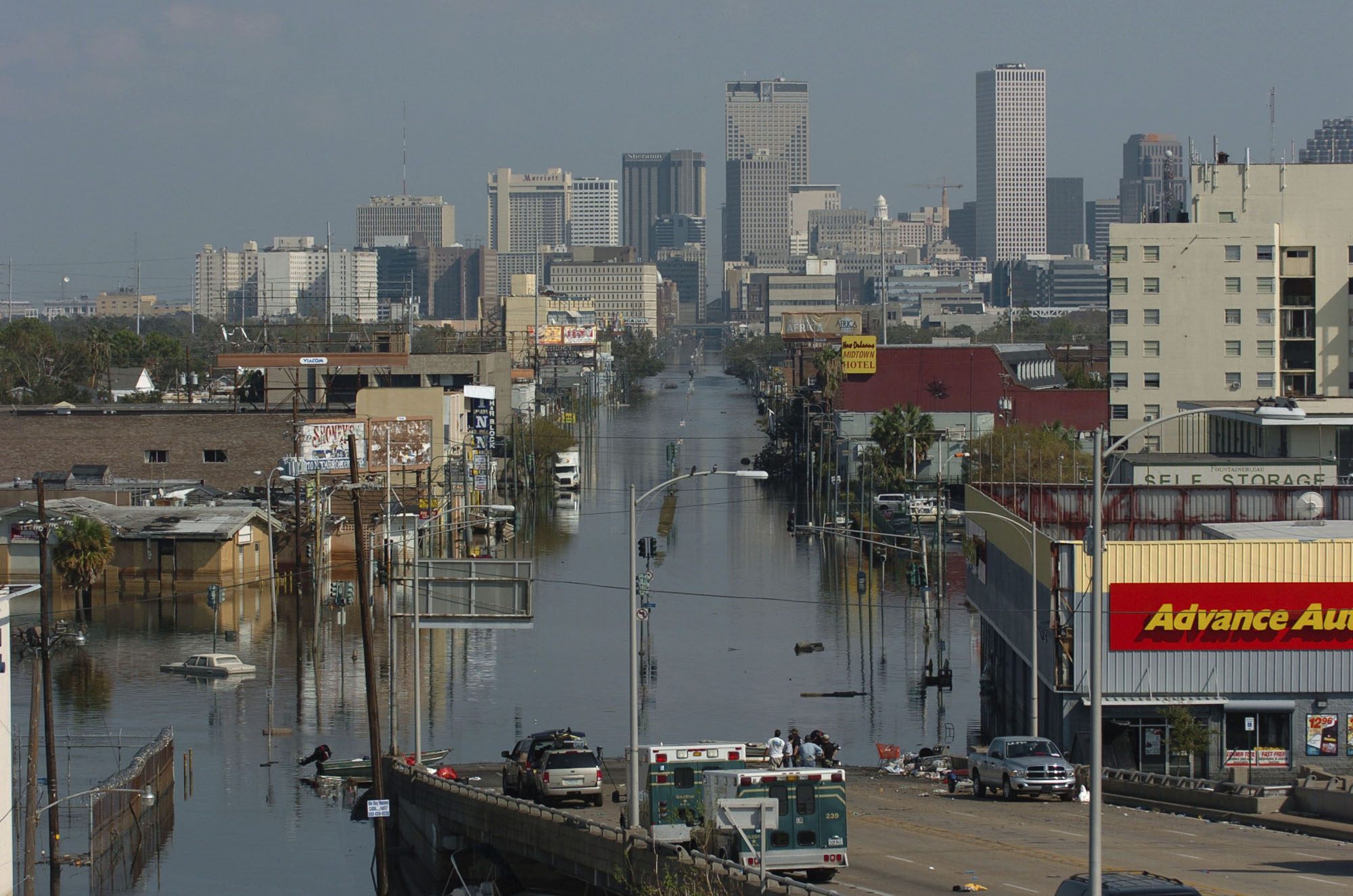
Flooding: more likely, more extreme and more unpredictable
-Unprecedented weather patterns are challenging the flood risk landscape, which was previously well defined by government and historic records-Many flood damages occur outside of mapped river floodplains, and companies outside larger hazard zones can still be affected...